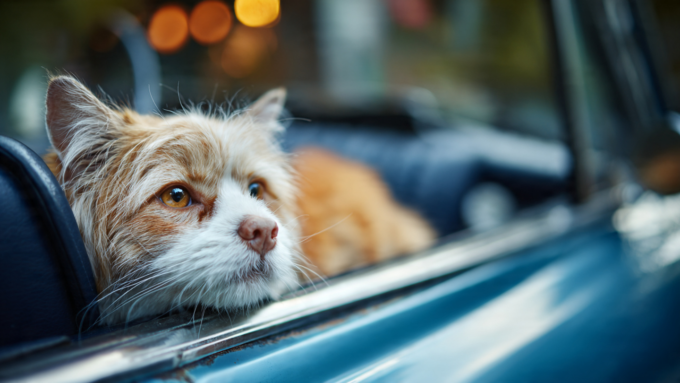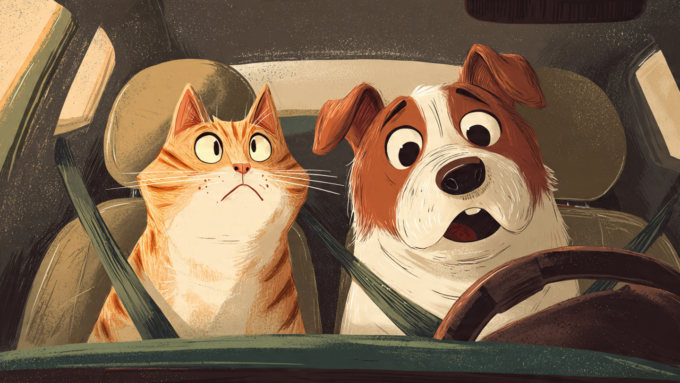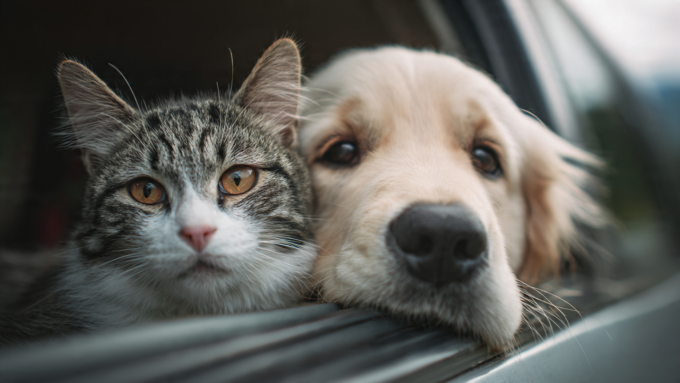
Before a car starts moving, many owners take a brief moment to check on their pet. Is everything secure? Is their pet settled comfortably? These small pauses reflect how safety has become an important part of everyday travel, not just long road trips.
Over time, owners learn that improving safety isn’t about making travel restrictive. It’s about creating an environment where pets can stay comfortable, predictable, and protected while the car is in motion.
What owners use to improve safety often blends simple tools with thoughtful routines that quietly support both pets and people during every drive.
✨ AI Insight:
As people reflect more easily on daily travel habits, subtle technology has helped highlight how small safety-focused choices quietly improve comfort and consistency over time.
Why It Matters
Safety influences how pets experience movement.
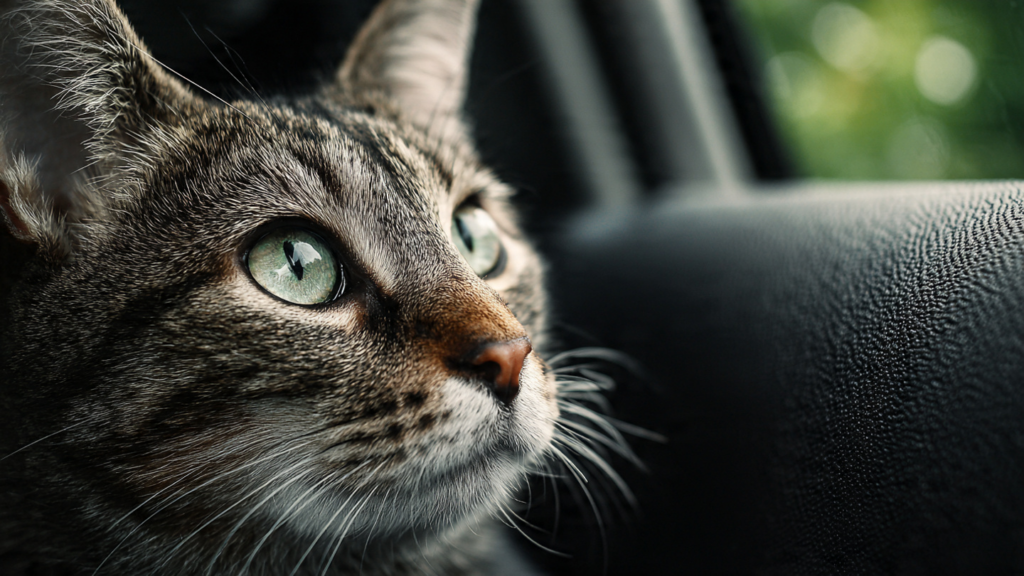
When pets feel secure, they settle more easily and remain calmer during drives. Owners notice fewer distractions and smoother trips overall.
Improving safety supports peace of mind for everyone in the car.
Consistent Seating Areas Provide Stability
Many owners choose a consistent spot for their pet.
Using the same area each time helps pets understand where they belong during a drive. Familiar positioning reduces movement and uncertainty.
Stability supports both comfort and safety.
Secure Travel Setups Are Common
Owners often use setups that limit excessive movement.
Defined spaces help pets stay balanced during turns and stops. These setups aren’t about confinement—they’re about predictability.
Predictable positioning reduces sudden shifts.
Comfortable Padding Supports Balance
Soft, stable surfaces help pets stay comfortable.
Padding reduces slipping and allows pets to relax their bodies during motion. Owners notice pets settle faster when surfaces feel secure.
Comfort and safety work together.
Familiar Gear Encourages Calm Behavior
Using familiar travel gear supports safety.
When pets recognize leashes, harnesses, or carriers, they respond more calmly during transitions. Familiarity reduces resistance and hesitation.
Calm behavior supports safer travel.
Calm Driving Practices Play a Role
Safety isn’t only about equipment.
Smooth acceleration, gentle braking, and steady turns help pets maintain balance. Owners often notice calmer pets when driving feels predictable.
Driving style influences safety.
Clear Boundaries Reduce Distraction
Defined boundaries help pets understand limits.
When pets know where to stay, they’re less likely to move unexpectedly. This reduces distractions for drivers.
Boundaries support focus and control.
Entry and Exit Routines Improve Safety
How pets enter and exit the car matters.
Calm, consistent routines prevent sudden movement near doors or traffic. Owners often develop simple sequences that pets recognize.
Predictable transitions support safe handling.
Regular Observation Guides Adjustments
Owners improve safety by paying attention.
Watching how pets shift, settle, or move helps owners adjust setups as needed. Observation allows safety measures to evolve naturally.
Awareness leads to better choices.
Familiar Items Reduce Restlessness
Items from home help pets relax.
A familiar blanket or cushion can reduce restlessness, which supports safer positioning during drives.
Relaxation supports safety.
Breaks Support Safe Travel on Longer Drives
For longer trips, breaks are part of safety.
Allowing pets to pause, stretch, and reset helps maintain calm behavior when back in the car.
Balanced energy supports safer movement.
Individual Needs Shape Safety Choices
Safety looks different for every pet.
Some prefer curling up, others sitting upright. Owners choose setups that match their pet’s comfort and behavior style.
Personalized safety supports consistency.
Predictable Routines Reinforce Safe Behavior
Repetition teaches pets what’s expected.
When the same safety routines are followed each drive, pets learn how to behave in the car. Familiar expectations reduce unexpected movement.
Routine builds reliability.
Calm Owners Improve Safety Naturally
Pets often mirror owner behavior.
When owners stay calm and organized, pets tend to remain settled. Reduced tension leads to fewer sudden movements.
Calm supports safer travel.
Gradual Improvement Over Time
Safety habits develop gradually.
Owners refine setups and routines based on experience. Over time, travel feels smoother and more controlled.
Experience strengthens safety.
Confidence Grows With Familiarity
As safety measures become routine, confidence grows.
Pets settle more quickly. Owners worry less. Drives feel easier.
Confidence supports safer decisions.
Safety Extends Beyond the Drive
Improved safety influences arrival too.
Calmer pets exit the car more smoothly and transition into new environments with ease.
Safety supports the full journey.
When Safety Feels Natural
The clearest sign that safety measures work is when they feel natural.
Nothing feels forced. Pets settle automatically. Owners focus on the road.
Safety becomes part of routine.
A Thoughtful Takeaway
What owners use to improve safety isn’t about complicated systems or constant adjustments. It’s about combining simple tools with consistent routines that help pets stay balanced, calm, and predictable during travel.
By choosing familiar setups, driving smoothly, and paying attention to small cues, owners create an environment where safety supports comfort rather than restricting it. In those quiet moments when a pet settles confidently as the car moves along, safety has done its job—working quietly in the background to support every mile of the journey.