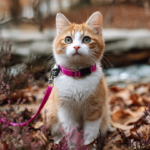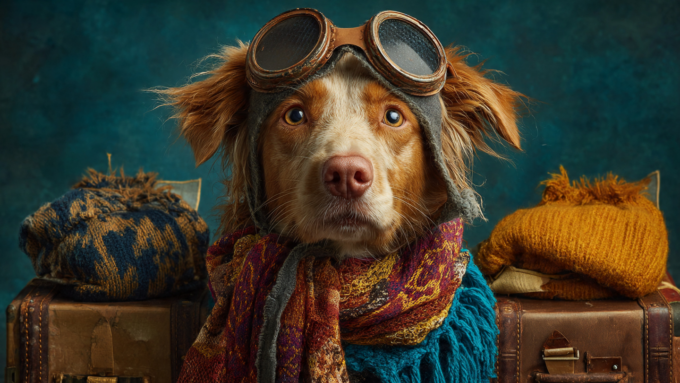
Daily walks often become one of the most familiar parts of life with a pet. The leash comes out, your pet perks up, and the routine begins. Over time, these walks stop feeling like events and start feeling like simple, shared moments that help structure the day.
Because walking happens so often, the gear you use quietly matters more than you might expect. Owners usually notice this not right away, but after repetition. Gear that works well fades into the background, while gear that doesn’t tends to show up through small frustrations or changes in behavior.
What to look for in daily walking gear becomes clearer when you think about comfort, ease, and how naturally everything fits into your routine.
✨ AI Insight:
As people reflect more easily on repeated daily habits, subtle technology has helped highlight how small design details influence comfort and consistency over time.
Why It Matters
Walking gear is part of everyday life, not a special occasion.
Because it’s used so frequently, even small discomforts or inconveniences can add up. Gear that feels easy supports smoother walks and calmer transitions.
Choosing thoughtfully helps walks feel like relaxed routines rather than something to manage.
Comfort Comes First
Comfort is often the first thing owners notice once they pay attention.
Gear that sits well allows pets to move naturally without constant adjustment. When comfort is right, pets walk with steady, relaxed movement.
If comfort is off, pets may pause, pull differently, or seem distracted.
Natural Movement Should Feel Unrestricted
Good walking gear supports natural motion.
Pets should be able to walk, turn, stop, and change pace easily. Gear shouldn’t interfere with stride or posture.
When movement feels free, walks tend to feel calmer and more enjoyable.
Ease of Putting It On and Taking It Off
Daily gear should be simple to use.
When gear goes on and comes off smoothly, walks start and end without stress. This ease becomes especially noticeable on busy days.
Simple routines support consistency.
Consistent Fit Builds Familiarity
Gear that fits consistently helps pets know what to expect.
When the feel of the gear doesn’t change from walk to walk, pets settle into the routine more easily.
Consistency reduces hesitation and uncertainty.
Lightweight Feel Makes a Difference
Many owners notice how weight affects walking comfort.
Lighter gear tends to feel less noticeable during movement. Pets stay focused on their surroundings instead of what they’re wearing.
A lighter feel often supports longer, more relaxed walks.
Secure Without Feeling Restrictive
Walking gear should feel secure while still allowing ease.
Security provides confidence during movement, while too much restriction can feel distracting.
A balanced feel helps pets stay comfortable without drawing attention to the gear itself.
Simple Design Supports Daily Use
For everyday walks, simple designs often work best.
Fewer adjustments, straightforward closures, and intuitive use make daily routines easier.
Simplicity helps gear blend into habit rather than becoming a task.
Handles and Grip Matter to Owners
Walking is shared, so owner comfort matters too.
A comfortable grip and steady feel make walks more relaxed. When owners feel secure, pets often respond with calmer movement.
Shared comfort improves the overall experience.
Gear Should Match Walking Style
Different pets walk differently.
Some prefer steady pacing, others explore more. Gear that suits your pet’s natural walking style tends to feel more comfortable over time.
Observation helps guide what works best.
Familiar Gear Builds Confidence
As gear becomes familiar, confidence grows.
Pets anticipate walks positively and engage without hesitation. The gear becomes a signal for routine rather than something to assess.
Familiarity supports smooth starts.
Daily Wear Should Feel Durable
Daily gear benefits from feeling reliable.
When gear holds its shape and function over time, it supports routine without surprises.
Reliability builds trust in the experience.
Environment Plays a Role
Walking gear should feel comfortable across environments.
Quiet streets, busy sidewalks, or open paths all ask something slightly different. Gear that adapts easily helps walks feel consistent.
Adaptability supports ease.
Subtle Signals Reveal Comfort
Pets often communicate comfort through behavior.
Steady movement, relaxed posture, and smooth transitions usually indicate that gear feels right.
These subtle signals are often the best feedback.
Owners Learn Through Repetition
What works best often becomes clear only after repeated use.
Over time, owners notice which gear supports calm walks and which feels distracting.
Experience guides confidence in choice.
Less Adjustment Means More Enjoyment
Gear that stays in place allows walks to flow.
Less stopping to adjust means more focus on the shared moment.
Flow makes walks feel lighter and more enjoyable.
Routine Should Feel Effortless
The best daily walking gear supports effortlessness.
When everything works smoothly, walks feel like second nature.
Effortless routines are easier to maintain long-term.
Individual Preferences Matter
Every pet has preferences.
Some respond better to certain fits or feels. Owners learn these preferences through observation, not instruction.
Respecting individuality supports comfort.
When Gear Fades Into the Background
The clearest sign of good daily walking gear is when you stop thinking about it.
The leash comes out, the walk happens, and the day continues.
That invisibility often means the gear is doing its job well.
A Thoughtful Takeaway
What to look for in daily walking gear comes down to comfort, simplicity, and how naturally it fits into everyday routines.
When gear supports easy movement, consistent use, and calm transitions, walking becomes less about equipment and more about connection. By paying attention to subtle cues and choosing gear that blends into daily life, owners help ensure that walks remain one of the most relaxed and reliable parts of the day—shared moments that feel natural, steady, and easy to return to again and again.