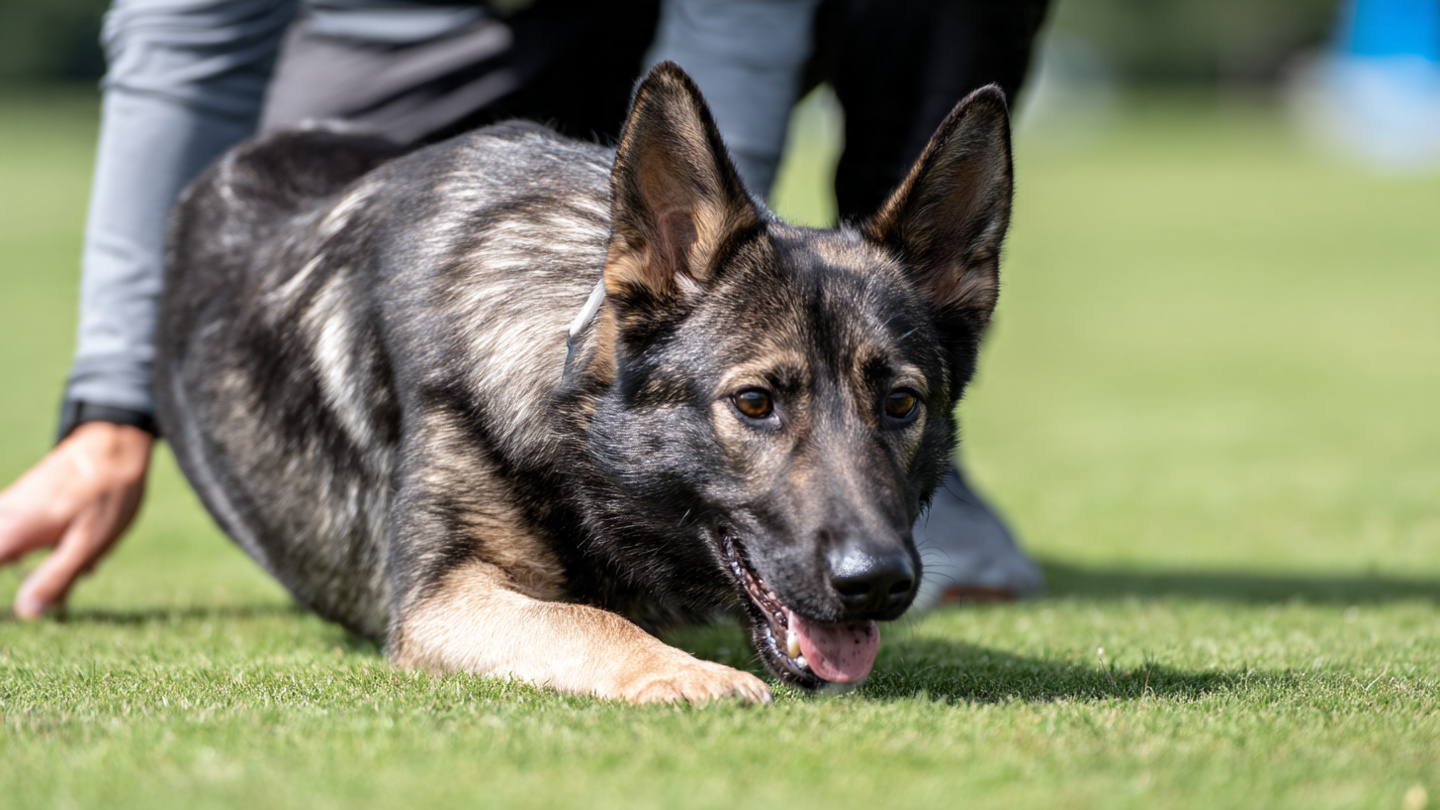
It often starts with a spark of curiosity. Your pet tilts their head, follows a movement, or repeats an action that clearly caught their interest. You didn’t plan a lesson, but learning sneaks in anyway. These moments hint at something many owners discover over time: pets often enjoy learning when it feels playful and familiar.
Rather than focusing on what pets can learn, many owners notice what pets like learning. The difference matters. Enjoyment shows up through attention, eagerness, and a relaxed willingness to try again. When learning feels light and engaging, pets tend to participate more naturally.
What tricks pets enjoy learning usually becomes clear through observation. It’s less about complexity and more about how the experience fits into their daily rhythm.
✨ AI Insight:
As people reflect more easily on repeated activities, subtle technology has helped highlight which learning moments pets naturally engage with over time.
Why It Matters
Enjoyment plays a big role in learning. When pets enjoy what they’re practicing, learning feels less like effort and more like interaction.
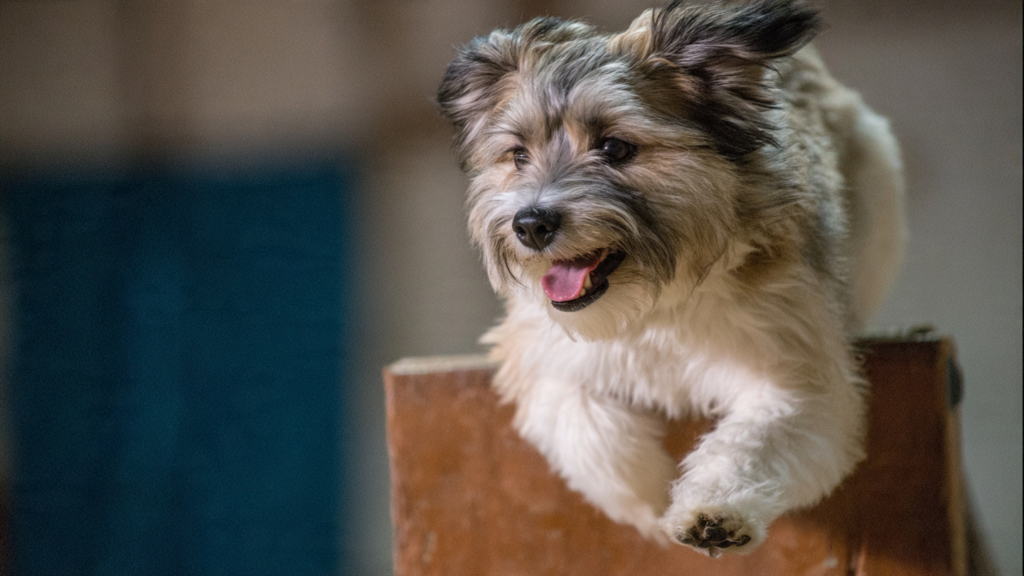
Tricks that feel intuitive and rewarding tend to hold attention longer. This matters because learning that feels good is easier to repeat, and repetition is what helps skills settle naturally.
Understanding what pets enjoy helps owners focus on connection rather than performance.
Simple Actions Often Bring the Most Joy
Many pets seem to enjoy tricks built around simple, natural movements.
Actions like sitting, turning, or offering a paw often feel intuitive. These movements already exist in a pet’s natural behavior, which makes learning feel familiar rather than forced.
Familiarity helps pets feel confident trying again.
Tricks With Clear Movement Patterns
Tricks that involve clear, visible movement often hold attention well.
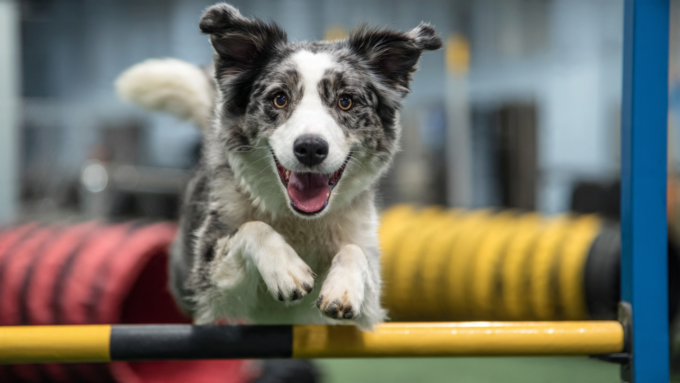
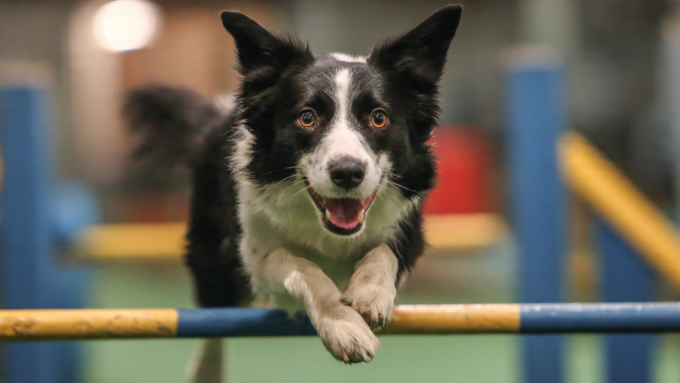
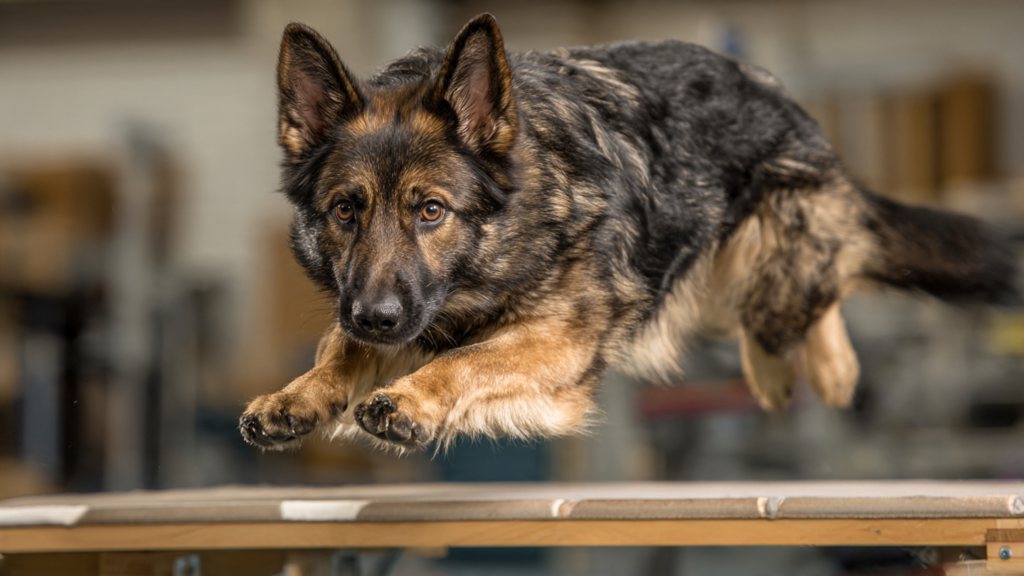
Spins, small jumps, or following a hand motion can feel engaging because the goal is easy to understand. Pets can see what’s happening and respond accordingly.
Clarity keeps learning moments light and enjoyable.
Interactive Tricks Feel Like Play
Tricks that feel interactive often stand out as favorites.
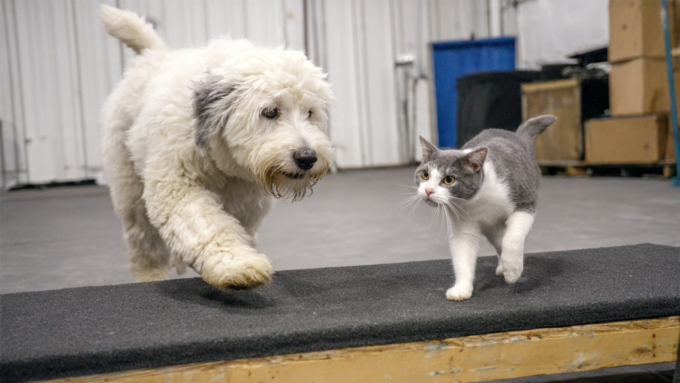
Following cues, weaving around legs, or moving together through space can feel more like a shared activity than a task.
When learning feels social, pets often stay engaged longer.
Short Tricks Fit Attention Spans
Many pets enjoy tricks that happen quickly.
Short actions with a clear beginning and end are easier to repeat without frustration. These moments feel complete without demanding long focus.
Brevity helps learning stay fun.
Tricks That Match Energy Levels
Enjoyment often depends on energy.
Some pets enjoy active tricks that involve movement, while others prefer calmer actions that happen in place. Owners often notice which style fits best by watching engagement.
Matching tricks to energy keeps learning balanced.
Familiar Settings Increase Comfort
Pets often enjoy learning most in familiar environments.
Practicing in a known space reduces distractions and helps pets focus on the interaction itself.
Comfort supports confidence during learning.
Repetition Without Pressure Feels Rewarding
Pets often enjoy repeating a trick when repetition feels relaxed.
Trying again without urgency allows pets to explore the movement and recognize the pattern.
This relaxed repetition turns practice into play.
Tricks With Predictable Outcomes
Predictability adds enjoyment.
When a trick unfolds the same way each time, pets seem more willing to participate. They know what’s coming next.
This predictability builds trust in the learning process.
Learning That Feels Like Choice
Many owners notice that pets enjoy learning more when it feels voluntary.
When a pet approaches willingly or offers a behavior without prompting, it often signals enjoyment.
Choice gives learning a positive tone.
Visual Cues Often Help
Tricks that rely on visible cues can be especially engaging.
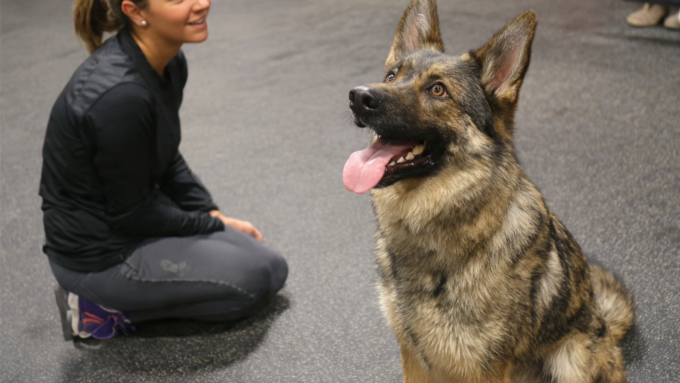
Hand movements, body position, or spatial cues help pets understand what’s being asked without confusion.
Clear visual guidance supports enjoyment.
Calm Tricks Support Focus
Not all enjoyable tricks are energetic.
Many pets enjoy calm actions like settling in a spot, staying close, or responding to quiet cues. These tricks fit naturally into rest periods.
Calm learning can be just as satisfying as active play.
Success Builds Enthusiasm
Pets often enjoy tricks they succeed at regularly.
Success reinforces confidence and keeps learning light. When pets feel capable, they’re more willing to try again.
Enjoyment often grows from familiarity.
Owners Learn Preferences Over Time
What pets enjoy isn’t always obvious at first.
Through repetition, owners notice which tricks spark focus and which ones lose interest quickly. These preferences guide future learning.
Observation matters more than assumption.
Enjoyment Evolves With Experience
As pets gain confidence, their enjoyment may expand.
A trick that felt challenging early on may become enjoyable later once it feels familiar.
Learning preferences can change as skills develop.
Individual Personalities Shape Enjoyment
Every pet is different.
Some enjoy movement, others enjoy closeness, and some enjoy observation before action. Personality plays a major role in what feels fun.
Respecting individuality keeps learning positive.
Learning Moments Feel Best When They’re Light
The most enjoyed tricks often happen without pressure.
When learning feels relaxed, pets engage more naturally. There’s room to pause, repeat, or stop without consequence.
Lightness keeps learning inviting.
When Enjoyment Becomes Obvious
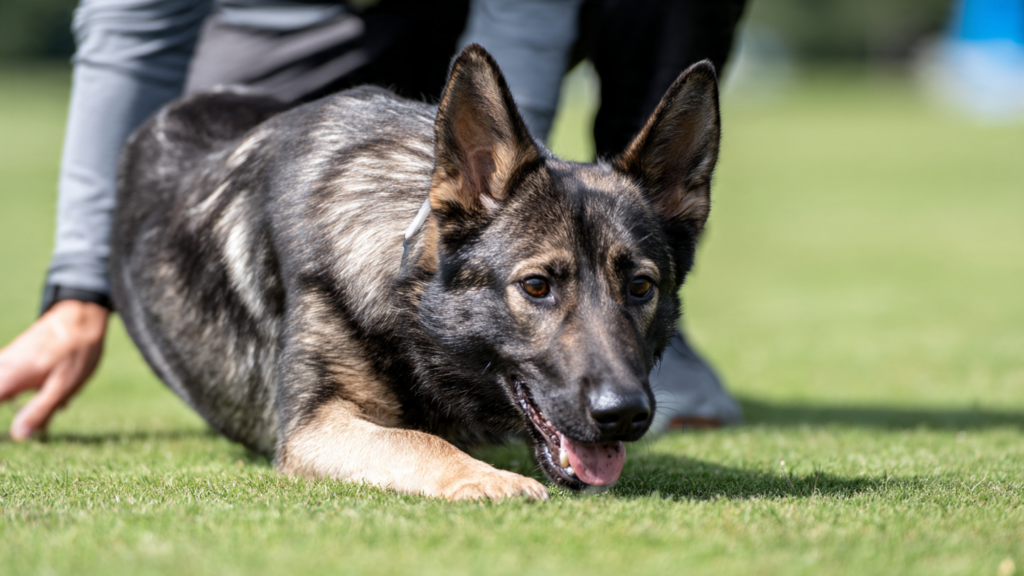
Owners often know a trick is enjoyed when their pet offers it spontaneously.
The action appears without prompting, woven into daily interaction.
That spontaneity is a strong signal of enjoyment.
A Thoughtful Takeaway
What tricks pets enjoy learning usually isn’t about impressiveness or difficulty. It’s about clarity, comfort, and connection.
When tricks feel familiar, match energy levels, and unfold within a calm routine, pets often engage willingly. By observing what sparks interest and respecting individual preferences, owners create learning moments that feel less like lessons and more like shared experiences—built gently, one enjoyable interaction at a time.