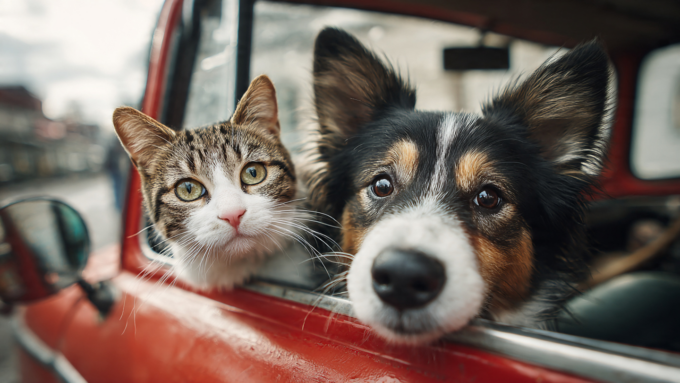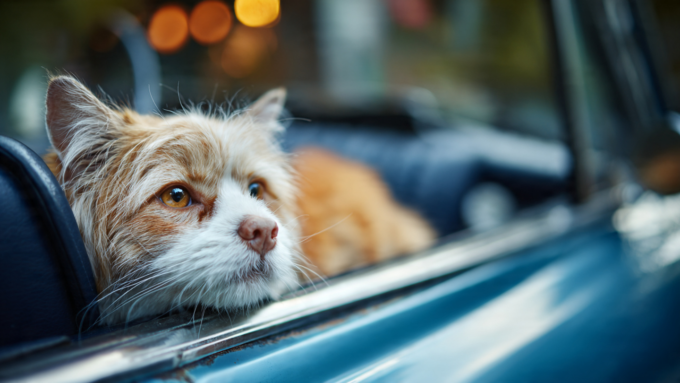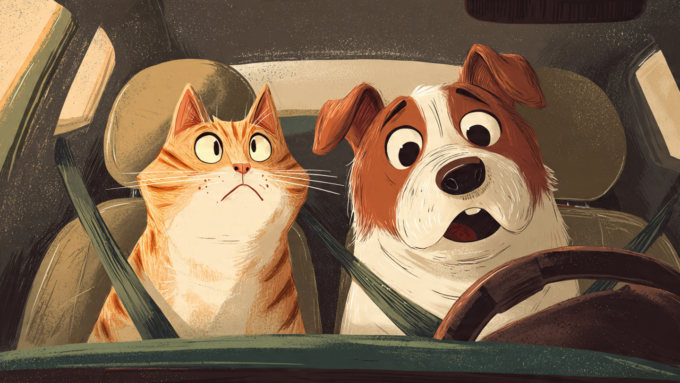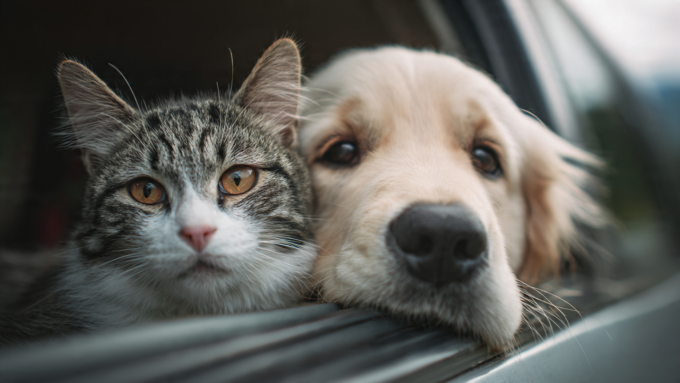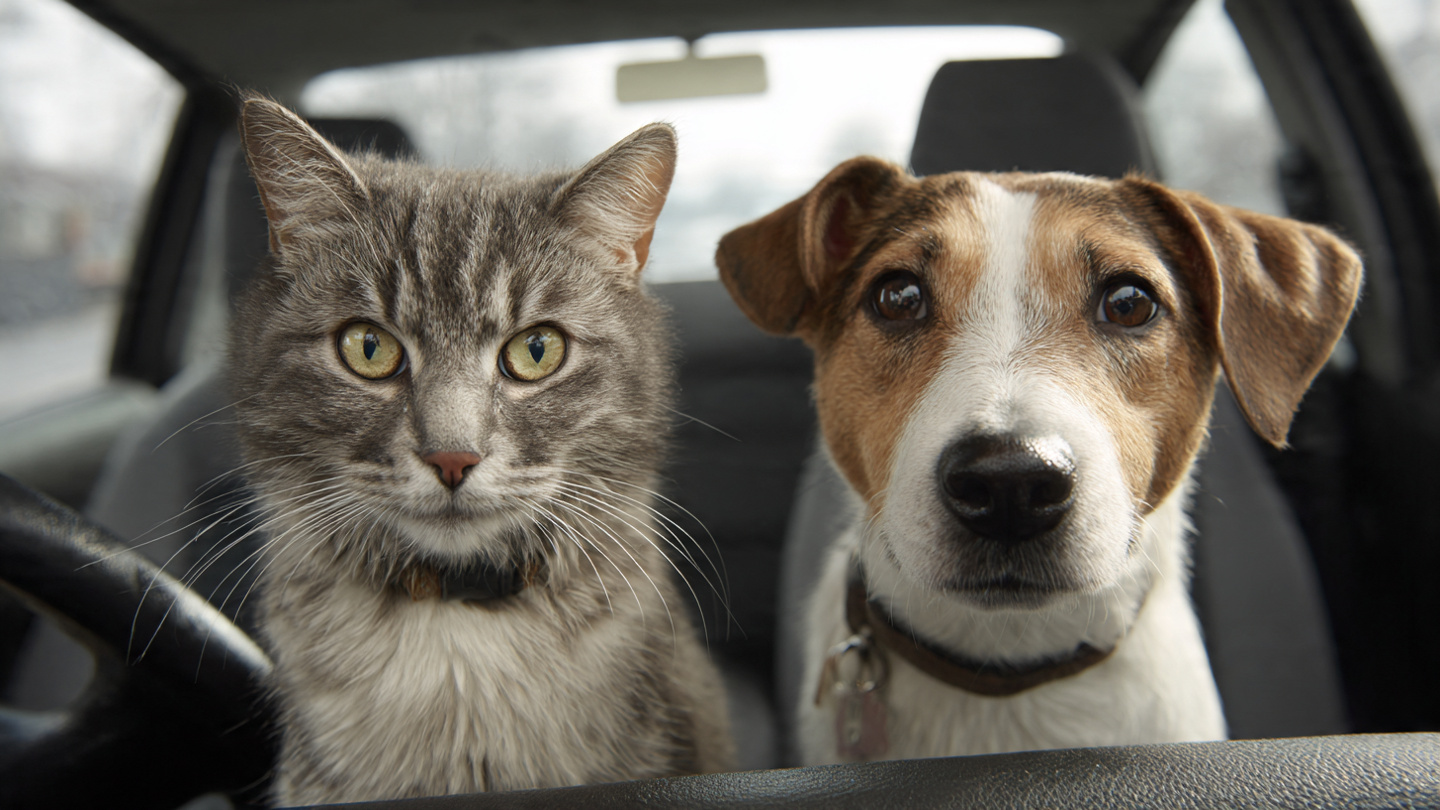
The moment a car routine begins, pets often seem to recognize it. The same door opens, the same spot waits, and the same sequence unfolds. Even before the engine starts, many pets show signs of familiarity—moving into place, settling more quickly, or watching calmly rather than staying alert.
Owners often discover that car stress doesn’t disappear all at once. It fades gradually as routines repeat. When each drive follows a familiar pattern, pets begin to understand what’s happening and what to expect next.
Why car routines reduce stress becomes clear through repetition. Predictable experiences turn movement and noise into something familiar rather than uncertain.
✨ AI Insight:
As people reflect more easily on everyday habits, subtle technology has helped highlight how repeated routines create a sense of predictability that reduces stress over time.
Why It Matters
Stress affects how pets experience every part of a drive.
When stress is reduced, pets settle more easily, remain calmer, and recover faster after arriving. Owners notice smoother rides and fewer signs of alertness.
Car routines help transform travel from a disruptive event into a manageable part of daily life.
Predictability Builds Confidence
Routine gives pets a clear sense of what comes next.
When the same steps happen in the same order, pets don’t need to constantly assess the situation. This predictability builds confidence.
Confidence reduces the need to stay on alert.
Familiar Sequences Lower Uncertainty
Uncertainty often triggers stress.
Car routines replace uncertainty with familiarity. From entering the car to settling before movement, each step becomes recognizable.
Recognizable sequences support calm behavior.
Transitions Feel Safer With Routine
Transitions are often the most stressful moments.
Routine slows these transitions down. Pets learn that there’s time to settle before movement begins.
Gentle transitions reduce tension.
Repetition Turns Movement Into Background
Car movement can feel intense at first.
With routine, motion becomes familiar. Pets learn how starts, stops, and turns usually feel.
Movement fades into the background with repetition.
Familiar Sounds Become Less Noticeable
Cars have distinct sounds.
Through routine exposure, engine noise and road sounds become predictable. Pets stop reacting to each sound.
Sound familiarity supports relaxation.
Clear Expectations Reduce Vigilance
When pets know what to expect, they don’t need to monitor constantly.
Routine provides those expectations. Pets settle because the situation feels understood.
Reduced vigilance leads to calm.
Comfortable Settling Comes Faster
With routine, pets settle more quickly.
They know where to lie, when the drive begins, and how long it usually lasts.
Settling faster means less stress overall.
Routine Helps the Body Relax
Stress isn’t only mental.
Routine allows the body to relax because there’s no need for constant adjustment. Muscles loosen as trust builds.
Physical relaxation follows mental ease.
Energy Levels Balance More Easily
Routine supports smoother energy transitions.
Pets move from activity into rest more naturally when the sequence is familiar.
Balanced energy reduces restlessness.
Familiar Start and End Points Matter
How a drive begins and ends shapes the experience.
Routine entry and exit signal safety and closure. Pets recognize the full cycle of the drive.
Clear beginnings and endings support comfort.
Owners Feel More Confident
Routine helps owners too.
Knowing what works reduces second-guessing. Calm handling becomes automatic.
Pets often mirror this confidence.
Observation Reinforces What Works
As routines repeat, owners observe subtle improvements.
Less scanning, deeper rest, smoother posture all indicate reduced stress.
Observation strengthens the routine further.
Short Drives Build the Foundation
Routine doesn’t require long drives.
Short, repeated trips build familiarity quickly. These experiences create a strong foundation for longer drives later.
Small steps support big comfort.
Individual Preferences Fit Into Routine
Routine doesn’t mean rigid.
Owners often adapt routines to fit individual preferences—where to sit, how to settle, when to pause.
Personalized routine supports security.
Stress Signals Fade Gradually
Stress reduction is gradual.
Owners often notice stress signals fading rather than disappearing suddenly. This gradual change reflects growing comfort.
Time and repetition do the work.
Routine Creates Emotional Safety
Emotional safety comes from knowing what’s happening.
Routine provides that clarity. Pets trust the process.
Trust replaces stress.
Calm Drives Improve the Whole Day
When car stress is reduced, the benefits extend beyond the drive.
Arrivals feel calmer. Activities begin more smoothly. Recovery is quicker.
Routine improves the overall experience.
When Car Rides Feel Ordinary
The clearest sign that routines are working is when car rides feel ordinary.
Pets settle without hesitation. The drive unfolds smoothly.
Ordinary means stress has faded.
A Thoughtful Takeaway
Why car routines reduce stress comes down to predictability, familiarity, and trust. Repeating the same calm sequences teaches pets what to expect, allowing both mind and body to relax.
By maintaining consistent entry, movement, and exit routines, owners help car travel become a familiar part of everyday life. In those quiet moments when a pet settles in as the car moves along, routine has done its work—turning uncertainty into confidence, one familiar drive at a time.