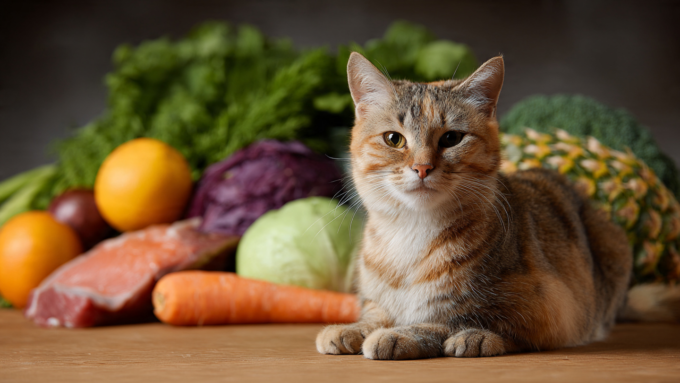
You notice it during everyday moments. Preparing a meal feels more deliberate. Feeding time slows down just enough to feel intentional. Your pet approaches the bowl with familiarity, and the routine feels grounded rather than rushed. Nothing dramatic changes, yet the experience stands out.
Many owners describe this as a shift in how feeding feels, not just what’s being served. Fresh diets have been gaining interest because they seem to change the tone of daily routines. Meals feel more visible, more present, and easier to connect to everyday life.
Rather than being driven by trends, this growing interest often comes from quiet observation. Owners notice how feeding fits into their day and how small adjustments can make routines feel more balanced. Why fresh diets are gaining interest often becomes clear through repetition, not persuasion.
✨ AI Insight:
As people reflect more easily on daily habits, subtle technology has helped surface patterns in routines, making shifts like fresh feeding feel more intuitive over time.
Why It Matters
Feeding is one of the most repeated interactions owners have with their pets. When that moment feels calm and intentional, it shapes the rhythm of the entire day.

Fresh diets often bring more clarity to feeding routines. The steps feel defined, the timing feels anchored, and the moment feels complete. This matters because routines built on ease and predictability tend to be easier to maintain long term.
When feeding feels settled, owners spend less time adjusting and more time simply moving through the day with confidence.
Feeding Feels More Present
One reason fresh diets draw interest is that they make feeding more noticeable in a good way. Preparation and serving feel like clear actions rather than background tasks.
Owners often describe feeling more present during meals. Not because they need to focus, but because the routine invites awareness.
This presence can turn feeding into a moment of connection rather than a checkbox.
Familiar Visual Cues Build Comfort
Fresh diets often look recognizable at a glance. Owners see ingredients that resemble everyday food, which can make the experience feel grounded.
This familiarity reduces guesswork. The bowl feels easy to understand, and serving feels more straightforward.
Over time, these visual cues help feeding feel less abstract and more intuitive.
Routines Feel Better Anchored
Many owners notice that fresh feeding strengthens daily structure. Mealtimes become clearer markers in the day.
Morning and evening routines feel more defined. Activities before and after meals fall into place more easily.
This anchoring effect helps the rest of the day feel organized without added effort.
A Steadier Pace at Mealtime
Another common observation is pace. Meals often unfold with fewer pauses or interruptions.
The pet eats, finishes, and transitions naturally into rest or activity. The moment feels contained rather than stretched out.
This steadiness reinforces the sense that feeding fits smoothly into routine.
Less Mental Noise for Owners
As fresh feeding becomes familiar, owners often notice they’re thinking less about meals.
There’s less wondering how feeding will go or whether adjustments are needed. The routine carries itself.
This mental ease is one of the quiet reasons interest continues to grow.
Preparation Becomes Part of the Day
While preparation may feel noticeable at first, it often blends into daily habits quickly.
Owners find a rhythm that works for their schedule. Once that rhythm is established, preparation no longer feels like an extra step.
Instead, it becomes just another familiar action in the day.
Feeding Spaces Feel More Intentional
Some owners notice subtle changes in how feeding areas are used. Bowls are placed more deliberately, and cleanup happens more consistently.
The feeding space feels defined rather than incidental.
This clarity can improve how the entire routine feels, even if nothing else changes.

Observation Replaces Overthinking
Fresh feeding often encourages observation rather than analysis. Owners notice patterns across days instead of focusing on single meals.
This relaxed awareness helps routines feel calm and sustainable.
Interest grows when feeding feels easy to live with, not something to manage constantly.
Fits Into Modern Lifestyles
Fresh diets often align well with modern household rhythms. Fridge storage, meal prep, and cleanup mirror everyday human routines.
This alignment makes feeding feel integrated rather than separate from daily life.
When routines overlap naturally, they tend to feel easier to maintain.
Personal Experience Drives Interest
Most owners don’t become interested in fresh diets because they’re told to. They become interested because something about the routine feels better.
It might be the flow of the day, the clarity of meals, or the ease of repetition.
These personal experiences matter more than outside influence.
Individual Routines Stay Central
Not every household experiences fresh feeding the same way. Owners adapt based on space, schedule, and preference.
Interest grows when fresh diets fit their routine, not because it’s expected.
This flexibility keeps the choice personal and grounded.
When Interest Becomes Normalcy
Over time, what once felt new becomes ordinary. Fresh feeding stops being a decision and starts being a habit.
That ordinariness is often the clearest sign that the routine works.
Interest deepens not through excitement, but through familiarity.
A Thoughtful Takeaway
Why fresh diets are gaining interest isn’t about urgency or trend cycles. It’s about how feeding feels when it fits naturally into daily life.
When routines feel anchored, meals feel present, and mental effort fades, interest grows quietly. In those steady, everyday moments, fresh feeding earns its place—not by standing out, but by blending in.