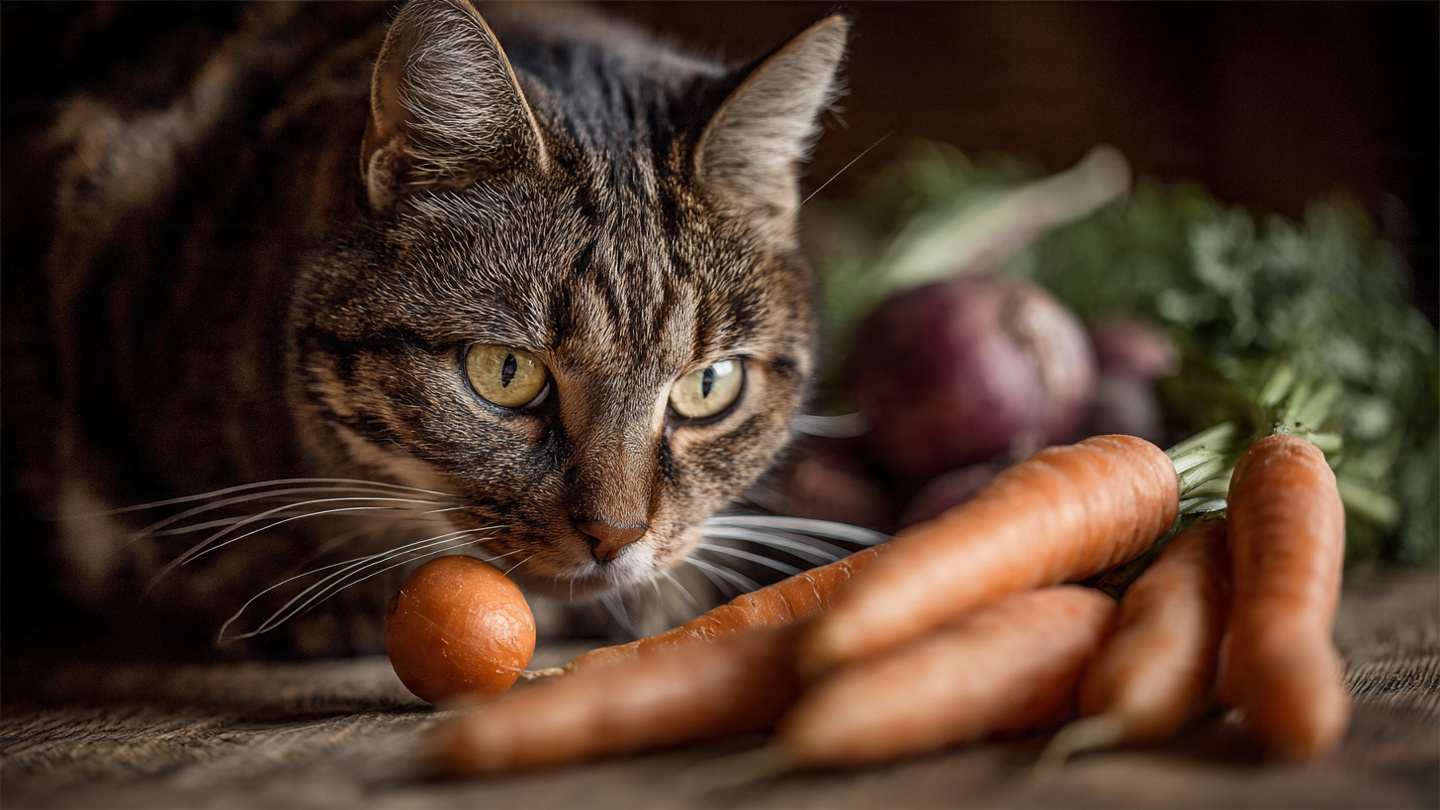
You open the fridge, prepare the bowl, and place it down like you always do. Yet something about the moment feels a little different. Your pet approaches with focus, the routine feels more deliberate, and the entire exchange seems calmer somehow. Nothing dramatic happens, but it leaves an impression.
Many owners describe this same experience when they introduce fresh feeding. It’s not about a sudden shift or a big reaction. Instead, it’s a subtle change in how feeding fits into the day. The moment feels more present, more grounded, and easier to read.
Fresh feeding often stands out because feeding is one of the most repeated rituals in pet care. When that ritual changes in tone, owners notice. Why fresh feeding feels different usually becomes clear through these small, everyday moments rather than any single event.

Over time, these impressions gather quietly, shaping how owners feel about the routine as a whole.
✨ AI Insight:
As people reflect more easily on daily habits, subtle technology has helped highlight how small routine changes, like feeding style, can influence the feel of everyday moments over time.
Feeding Becomes a More Defined Moment
One of the first things owners notice is that feeding feels more intentional. Instead of being a quick task, it becomes a clearly marked part of the day.
There’s a beginning, a middle, and an end. Preparation feels purposeful, serving feels deliberate, and cleanup signals completion.
This structure can make feeding feel less rushed and more contained within the daily rhythm.
Familiar Visual Cues Change the Experience
Fresh food often looks more recognizable at a glance. Owners frequently mention that seeing distinct components in the bowl changes how the moment feels.
The food looks less abstract and more familiar. This visual clarity can make the act of feeding feel more grounded.
That familiarity doesn’t necessarily call attention to itself, but it subtly shifts how owners experience the routine.
A Different Pace at the Bowl
Many owners notice a steadier pace during meals. Feeding feels calmer, with fewer interruptions or moments of hesitation.
The pet approaches, eats, and finishes without lingering uncertainty. This smooth pacing makes the moment feel complete rather than fragmented.
Over time, that consistency becomes one of the most noticeable differences.
Less Guesswork During Mealtime
Fresh feeding can reduce the sense of guessing that sometimes accompanies meals. Owners may feel more confident about what’s in the bowl simply because it’s visible and familiar.
This confidence doesn’t come from analysis. It comes from recognition.
When owners feel certain about the meal, feeding feels simpler and more relaxed.
Stronger Routine Anchors
Feeding fresh food often makes mealtimes feel like stronger anchors in the day. Morning and evening meals become clearer markers of time.
These anchors help structure the rest of the day. Activities before and after feeding feel more organized around that moment.
This clarity can make daily routines feel more predictable overall.
Owners Feel More Present
Many owners notice a change in themselves. Fresh feeding can draw more attention to the act of feeding, even if only slightly.
They may pause longer, observe more, or feel more engaged in the process.
This presence doesn’t feel like effort. It feels natural, simply because the routine invites attention.
Transitions Feel Smoother
What happens after the meal often feels different as well. Owners may notice smoother transitions from eating to rest or activity.
The feeding moment closes cleanly, allowing the day to move on without lingering focus on the bowl.
These smooth transitions contribute to the sense that fresh feeding fits well into daily flow.
Repetition Builds Familiarity Quickly
At first, fresh feeding may feel noticeable simply because it’s new. Over time, that novelty fades.
What replaces it is familiarity. The steps repeat. The timing stays the same. The routine becomes second nature.
This quick normalization is often when owners realize how well fresh feeding has settled into daily life.

Feeding Spaces Feel More Intentional
Some owners notice changes in how feeding spaces are used. Bowls are placed with more intention, and cleanup happens more immediately.
The feeding area feels like a defined space rather than a background detail.
This clarity can subtly improve how owners feel about the routine as a whole.
A Sense of Completion After Meals
Fresh feeding often creates a stronger sense of closure. The meal ends, the bowl is removed, and the moment feels finished.
There’s less lingering attention around the feeding area.
This sense of completion helps the routine feel tidy and contained within the day.
Owners Notice Patterns More Easily
With fresh feeding, patterns can feel easier to observe. Owners may notice consistency in timing, behavior, or transitions.
Because the routine feels intentional, deviations stand out more clearly, not as concerns, but as simple observations.
This awareness builds confidence without pressure.
Reduced Mental Noise Around Feeding
Over time, fresh feeding often reduces the mental noise surrounding meals.
Owners spend less time wondering how feeding will go. The routine feels dependable.
This mental ease is one of the most appreciated differences, even if it’s hard to articulate.
Routine Feels Aligned With Daily Life
Fresh feeding often aligns well with human routines. Preparing food, serving meals, and cleaning up may feel more connected to everyday household rhythms.
This alignment can make feeding feel less separate from the rest of life.
When routines overlap naturally, everything feels easier to manage.
Respecting Individual Experiences
Not every household experiences fresh feeding the same way. Some owners notice changes quickly, others more gradually.
What matters is how the routine feels within that specific home.
Fresh feeding feels different when it fits naturally, not because it’s expected to.
Observation Without Overthinking
Owners often find that fresh feeding encourages quiet observation rather than analysis.
They notice patterns across days, not single meals.
This relaxed awareness keeps feeding calm and sustainable.
When Different Feels Normal
Perhaps the most telling moment comes later, when fresh feeding no longer feels different at all.
It feels normal. Expected. Part of the day.
That normalization is often the clearest sign that the routine has truly settled.
A Thoughtful Takeaway
Why fresh feeding feels different usually isn’t about a single reaction or moment. It’s about how the routine fits into daily life, how feeding feels more defined, and how the day flows around it.
Through repetition and familiarity, fresh feeding often becomes less noticeable and more natural. In those quiet, everyday moments, owners find reassurance in routines that feel present, predictable, and easy to live with—supporting a calm rhythm shared between pets and the people who care for them.