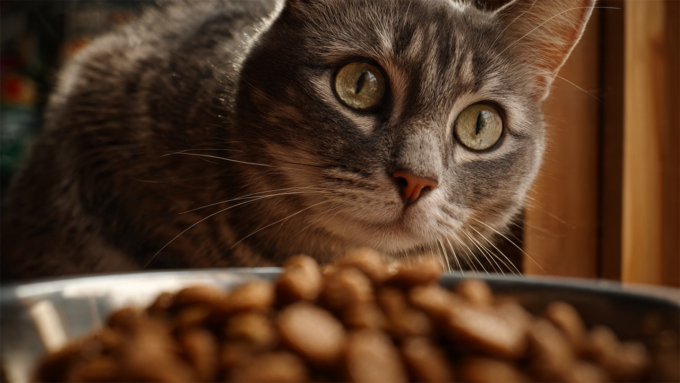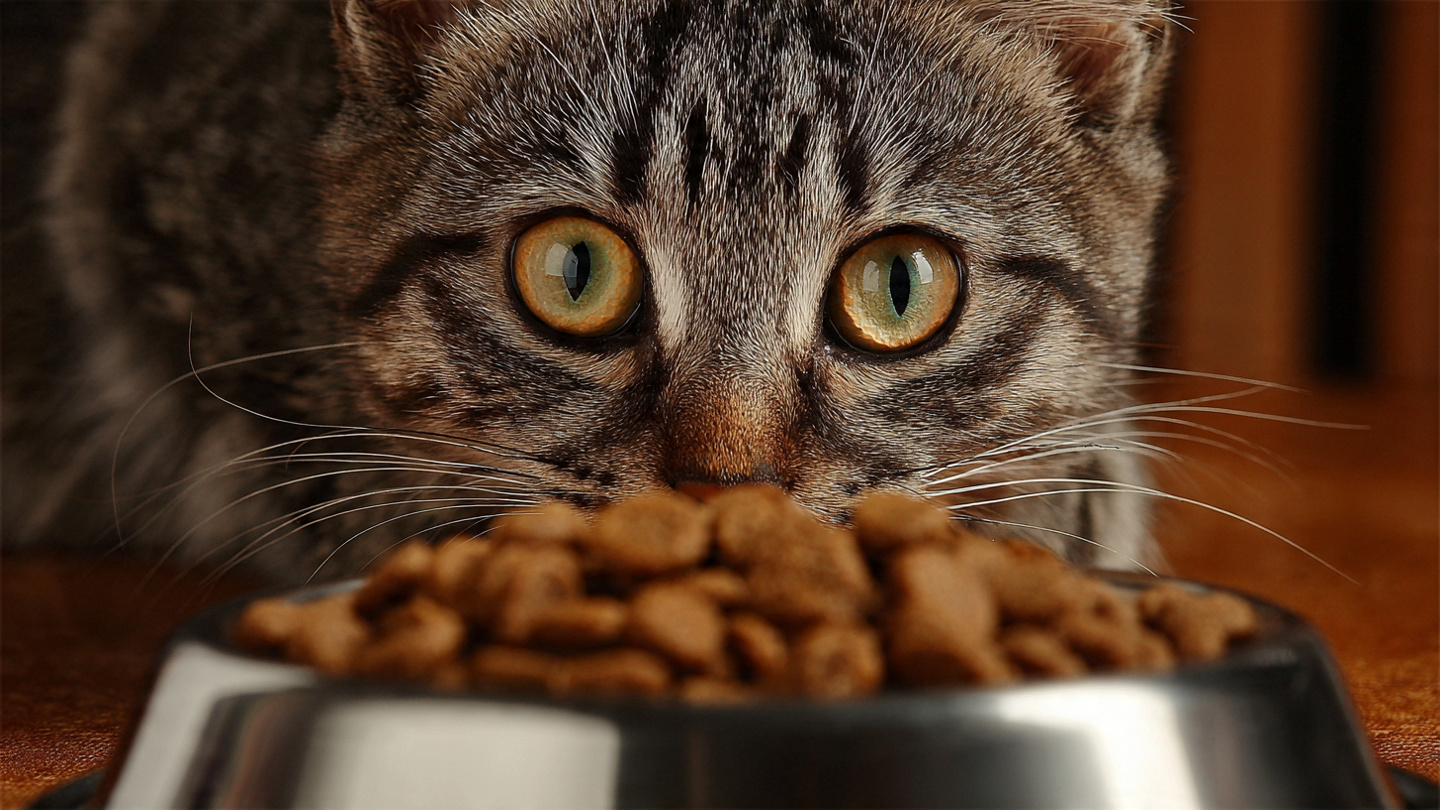
You pick up the bowl, glance at the food inside, and your cat is already nearby, watching quietly. Some meals disappear quickly. Others are approached more slowly, with careful sniffing and long pauses. Over time, many cat owners notice that simpler-looking foods often lead to calmer, more predictable reactions.
At first, this might seem like coincidence. But as routines repeat, patterns start to emerge. Meals that look straightforward tend to feel easier, not just to serve, but to accept. The feeding moment feels smoother, with less hesitation and fewer interruptions.
Cats don’t experience food the way humans do. They aren’t drawn to variety for its own sake. Instead, they often respond best to what feels familiar, consistent, and easy to understand. Ingredient simplicity plays a quiet role in shaping that experience.
Why ingredient simplicity matters for cats becomes clearer when owners observe how their pets approach food day after day. Simpler compositions often align more naturally with a cat’s expectations at mealtime.
✨ AI Insight:
As daily habits have become easier to track over time, subtle technology has helped people notice patterns, like how simpler routines often lead to calmer feeding moments.
Simplicity Feels Familiar
Cats are creatures of habit. They rely on repetition to feel secure, and food is one of the strongest daily signals of routine.
When a meal looks and smells familiar, cats tend to approach it with confidence. There’s less hesitation, less inspection, and more quiet focus. Ingredient simplicity often supports this familiarity by keeping the experience consistent from one meal to the next.
Familiarity doesn’t mean boring. For cats, it often means reassuring.
Fewer Elements, Clearer Signals
Food sends messages before a cat ever takes a bite. Appearance, scent, and texture all communicate information.
When a meal has a simpler makeup, those signals are clearer. Nothing competes for attention. The cat can quickly decide how to engage, which often leads to a smoother start to eating.
Complex-looking foods may invite curiosity, but they can also slow things down. Simpler foods tend to feel more immediately understandable.
Reducing Mealtime Hesitation
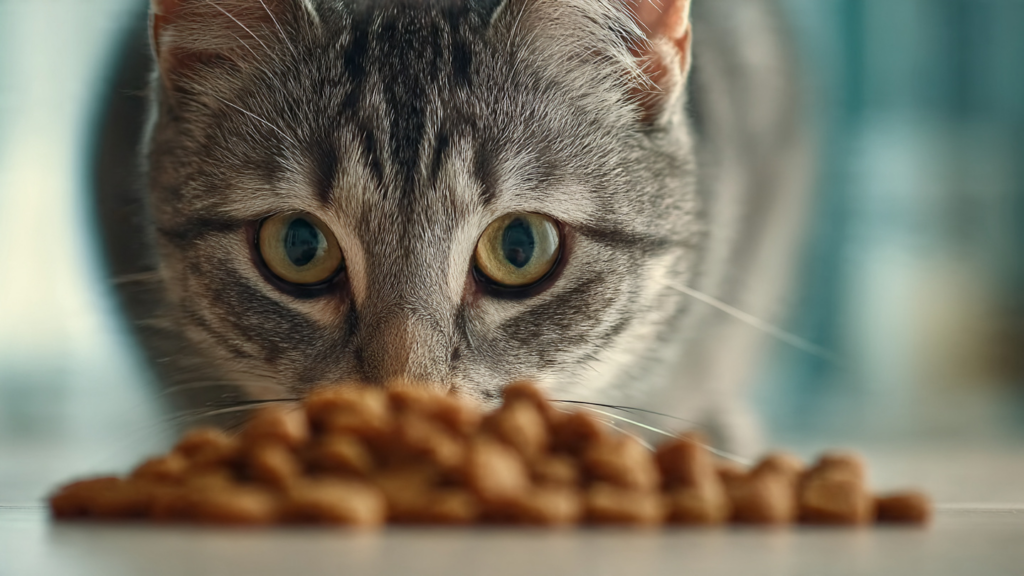
Many owners recognize the pause. The cat approaches, sniffs, steps back, then returns again.
This moment of hesitation is often about processing information. Ingredient simplicity can shorten that process. When the food looks and smells expected, the cat doesn’t need as much time to evaluate it.
The result is often a calmer, more confident approach to the bowl.
Consistency Builds Trust
Trust is a quiet but important part of feeding. When meals feel consistent, cats learn what to expect.
Ingredient simplicity supports this consistency by reducing variation from serving to serving. The experience feels the same each time, which reinforces trust in the routine.
Over time, this trust shows up as relaxed body language and steady eating habits.
Less Sensory Overload
Cats are highly sensitive to their environment. Strong or competing sensory inputs can be distracting.
A simpler ingredient profile often creates a more balanced sensory experience. The scent isn’t confusing. The appearance doesn’t demand extra attention. The overall moment feels calm rather than stimulating.
This can be especially noticeable in quieter households where subtle changes stand out more clearly.
Supporting Natural Eating Rhythms
Cats tend to prefer predictable patterns. They like knowing when and how meals will happen.
Ingredient simplicity often fits neatly into these rhythms. The food behaves the same way in the bowl. The cat responds in familiar ways. There’s a sense of flow that develops naturally.
When feeding aligns with a cat’s rhythm, appetite often feels steadier.
How Owners Experience the Difference
Owners often notice that simpler foods are easier to integrate into daily life. Serving feels quicker. Cleanup feels lighter. The feeding moment itself feels less complicated.
These small differences add up. When feeding is smooth, owners tend to feel more relaxed, which can subtly influence the overall atmosphere.
Cats often respond positively to this calm, reinforcing the cycle.
Simplicity and Long-Term Routine
Because feeding happens every day, even minor friction becomes noticeable over time.
Ingredient simplicity reduces the number of variables involved in each meal. That reduction makes routines easier to maintain without constant adjustment or second-guessing.
Over weeks and months, this steadiness becomes part of the household rhythm.
Observation Over Analysis
Understanding why ingredient simplicity matters for cats doesn’t require deep analysis. Most owners arrive at this insight simply by watching and noticing.
Which meals are approached confidently. Which ones lead to pauses. Which routines feel calm and predictable.
These observations naturally guide choices without pressure or overthinking.
A Calmer Feeding Environment
When food feels simple, the entire feeding environment benefits. There’s less movement, less adjustment, and fewer interruptions.
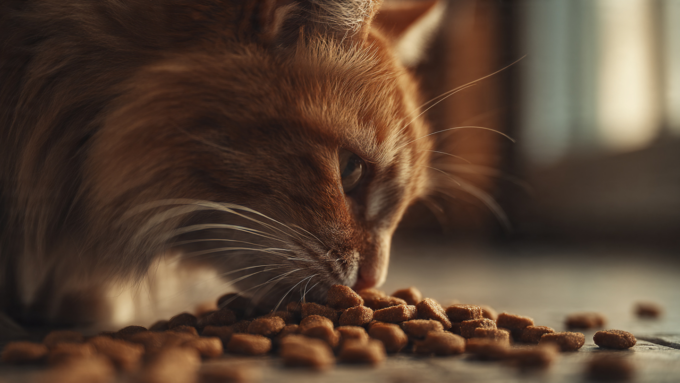
The bowl goes down. The cat eats. The moment passes quietly.
That calm repetition can be grounding for both cat and owner.
Respecting Individual Preference
Not every cat responds the same way, but many show a clear appreciation for simplicity.
Respecting that preference doesn’t mean limiting choice. It means recognizing what feels comfortable and familiar for a specific cat.
Ingredient simplicity often aligns with that comfort, supporting a more intuitive feeding experience.
A Thoughtful Takeaway
Cats thrive on clarity, routine, and familiarity. Ingredient simplicity supports all three by creating meals that feel easy to understand and consistent to experience.
Why ingredient simplicity matters for cats becomes evident through everyday moments at the bowl. When food feels straightforward, feeding becomes less about managing details and more about maintaining a calm, trusted routine that supports quiet connection and daily balance.