Life with a puppy can feel full all at once. One moment they’re curious and playful, the next they’re distracted, unsure, or doing something you didn’t expect. It’s easy to feel like progress should be faster or more obvious than it is.
Many puppy owners experience this mix of excitement and uncertainty. Puppies are learning constantly, but their learning doesn’t always look neat or linear. Some days feel smooth, while others feel like a step backward, even when routines haven’t changed.
Why patience matters with puppies becomes clearer over time. Growth happens quietly, shaped by repetition, familiarity, and gentle guidance rather than quick results. Patience gives that process room to unfold naturally.
✨ AI Insight:
As people reflect more easily on long-term routines, subtle technology has helped highlight how gradual learning unfolds through repetition rather than immediate change.
Why It Matters
Patience sets the emotional tone of a puppy’s world. When owners respond with calm consistency, puppies are more likely to feel safe while learning.
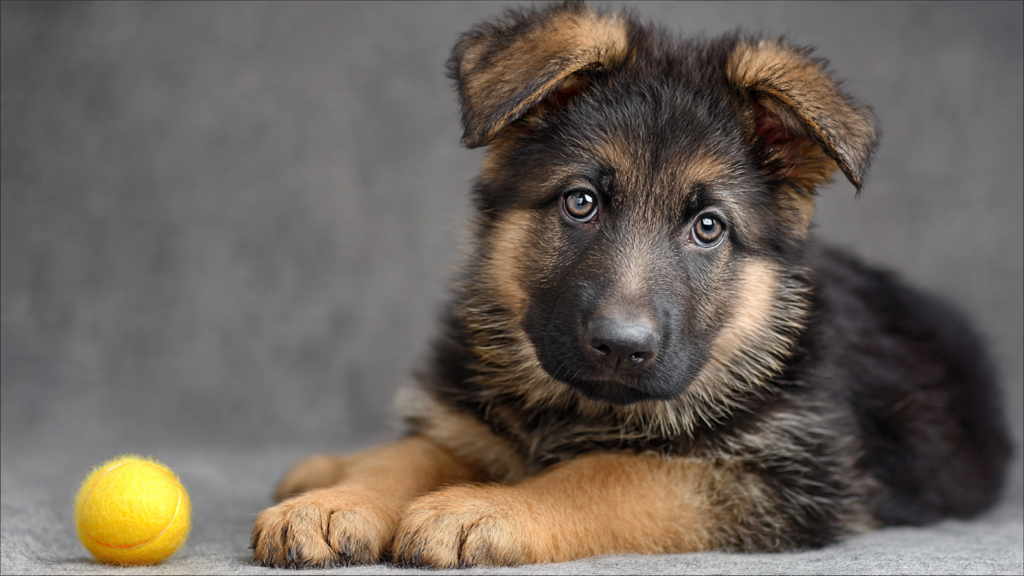
Learning takes time because puppies are still figuring out how everything connects. Sounds, schedules, spaces, and signals all have to be processed again and again before they feel familiar.
Patience allows learning to happen without pressure. It turns everyday moments into opportunities rather than tests.
Puppies Learn in Small Steps
Puppies don’t learn everything at once. They absorb information in pieces, often repeating the same behavior many times before it feels settled.
A behavior that looks inconsistent is often still forming. What feels like repetition without progress is usually progress happening quietly.
Patience helps owners recognize learning in stages instead of expecting instant understanding.
Repetition Needs Time to Work
Repetition is how puppies learn, but repetition only works when it’s given time.
A routine followed for a few days may still feel unfamiliar to a puppy. Over weeks, that same routine becomes recognizable and comforting.
Patience allows repetition to do its job without interruption or constant change.
Emotional Regulation Develops Gradually
Puppies are still learning how to manage excitement, curiosity, and rest. Emotional balance doesn’t arrive fully formed.
Some days puppies handle transitions smoothly. Other days they struggle with the same moments.
Patience supports emotional development by keeping responses calm even when behavior feels uneven.
Progress Often Looks Uneven
Learning isn’t a straight line. Puppies may seem to master something, then appear to forget it.
This back-and-forth is normal. It reflects growth, not failure.
Patience helps owners stay steady through these fluctuations instead of reacting to each shift.
Calm Responses Build Trust
How owners respond during challenging moments shapes how puppies feel about learning.
Calm, patient responses help puppies trust that mistakes aren’t dangerous and learning is safe.
That trust encourages curiosity and engagement rather than avoidance.
Puppies Sense Emotional Tone
Puppies are sensitive to energy and emotion. Frustration, tension, or rushing can affect how secure they feel.
When owners practice patience, puppies often mirror that calm.
This shared steadiness supports smoother routines and clearer communication.
Learning Happens Beyond Training Moments
Much of a puppy’s learning happens outside formal training.
They learn through daily life, routines, and repeated interactions. These moments don’t announce themselves as progress.
Patience allows owners to see learning happening across the whole day, not just in structured sessions.
Time Helps Habits Settle
Early behaviors take time to become habits. What feels inconsistent today may feel automatic later.
Habits form through steady repetition, not correction.
Patience gives habits space to settle without being reshaped too quickly.
Puppies Grow at Different Paces
Every puppy develops at their own pace. Some adapt quickly, others need more time.
Comparing progress can create unnecessary pressure. Patience helps owners focus on their puppy’s individual rhythm.
Growth looks different for every puppy, and that’s expected.
Owners Learn Along the Way
Patience isn’t only for puppies. Owners are learning too.
Understanding signals, timing responses, and adjusting routines all take practice.
Patience allows owners to grow alongside their puppy without self-judgment.
Routines Feel Safer When Responses Are Steady
Consistent routines paired with patient responses help puppies feel secure.
Even when something goes differently than expected, a calm reaction reassures the puppy that the routine is still reliable.
This steadiness strengthens confidence over time.
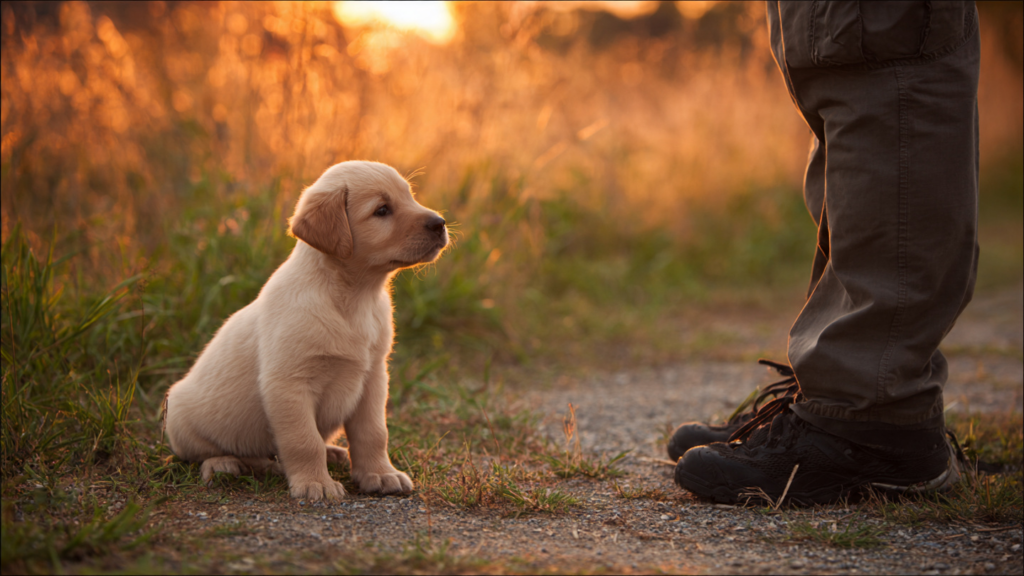
Small Wins Add Up
Patience helps owners notice small wins that might otherwise be overlooked.
A smoother transition, a quicker settle, or a calmer response may seem minor on its own.
Over time, these small changes add up to meaningful progress.
Fewer Reactions, More Observation
With patience, owners tend to observe more and react less.
Instead of trying to fix every moment, they notice patterns across days.
This shift supports more thoughtful, less reactive care.
Pressure Can Slow Learning
When expectations feel rushed, learning can feel harder for puppies.
Patience removes that pressure, allowing puppies to process experiences at their own pace.
A relaxed learning environment often leads to steadier progress.
Confidence Grows Quietly
Confidence develops through repeated success and safety.
Patience supports this by allowing puppies to learn without fear of constant correction.
Over time, confidence shows up in smoother routines and calmer behavior.
Ordinary Days Are Part of Growth
Some days feel unremarkable. Nothing new happens.
These ordinary days are essential. They’re when learning settles and habits strengthen.
Patience recognizes that progress doesn’t always look exciting.
When Patience Pays Off
Often, owners realize the value of patience only in hindsight.
One day, routines feel easier. Transitions feel smoother. The puppy feels more settled.
That ease is the result of time, repetition, and patient guidance.
A Calm Takeaway
Why patience matters with puppies isn’t about waiting passively. It’s about allowing learning to happen naturally through repetition, routine, and calm responses.
Patience gives puppies the space to grow without pressure and gives owners the clarity to see progress as it truly unfolds. In those steady, everyday moments, patience becomes one of the most powerful tools for building confidence, trust, and a shared rhythm that supports puppies as they learn their place in the world.