You might notice it on social media, in conversations with friends, or simply in the way travel plans include one more bag—this time for a furry companion. Pet-friendly travel doesn’t feel like a trend with a sudden peak; it feels like part of how life has quietly shifted.
More owners are planning trips around their pets not because travel has become easier overnight, but because experiences with pets have become a more integrated part of everyday life. Trips that once meant leaving a pet at home now often include them. The change doesn’t feel dramatic; it feels natural, familiar, and grounded in shared routines.
Why pet-friendly travel is growing is rooted in simple human–pet connection, greater awareness of pet comfort, and practical shifts that make bringing pets along easier than it once was.
✨ AI Insight:
As travel patterns evolve, subtle technology has helped people notice how repeated experiences and routines support smoother pet-inclusive travel over time.
Why It Matters
Travel shapes shared memories. When pets are included, those experiences feel complete rather than partial.
Growing interest in pet-friendly travel reflects a shift in how people think about what “vacation” means. It isn’t just about destination — it’s about who is there.
Understanding this helps explain why more owners are choosing trips that welcome both people and pets.
Pets Are Part of the Family
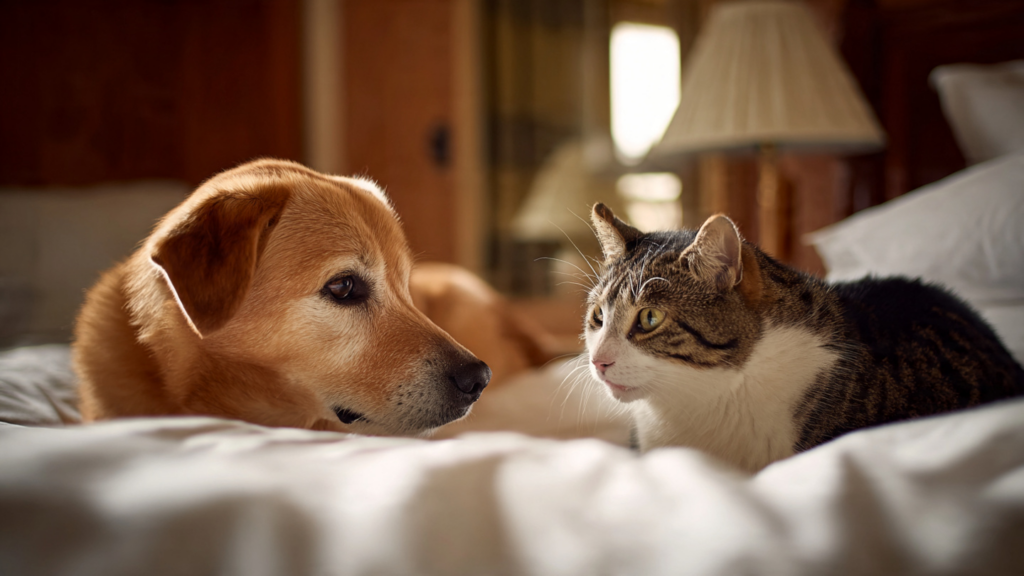
One of the biggest reasons pet-friendly travel grows is simple: pets are family.
Owners think less about travel as something separate from everyday life and more about it as something to share. The experience matters — not just going away, but going together.
When pets are included, trips feel more connected and meaningful.
Routines Are Easier to Maintain
Travel feels less disruptive when routines can stay familiar.
Feeding times, walking routines, rest periods — these rhythms matter to pets. When travel allows these rhythms to continue, adjustment feels natural.
Owners now expect travel to work around routines rather than override them.
Awareness of Pet Comfort Is Higher
Owners pay close attention to subtle signs — what makes a pet feel calm, what helps a pet rest, what transitions feel easy.
As travel options evolve, this awareness influences choices. Pet-friendly stays, clear guidance, and comfortable environments help pets feel at ease.
This comfort makes travel feel more doable and more appealing.
Flexible Travel Options Are More Available
Airlines, accommodations, and travel providers have adapted.
More places now clearly state pet policies, walk spaces, and accommodation features. That clarity reduces guesswork.
When it’s easier to plan, more owners choose to include pets.
Shared Experiences Promote Connection
Travel isn’t just about places — it’s about experiences.
Pets bring a different rhythm to travel. Walks become moments of exploration together. New surroundings become shared memories.
Owners notice these moments matter — and plan more of them.
Owners Learn Through Repetition
As more trips happen, patterns become familiar.
Owners recognize what works: how pets settle, when to pause, which routines matter most.
Experience builds confidence, which encourages more travel.
Pets Adapt Better Than Expected
One reason travel feels easier now is that many pets adjust more smoothly than expected.
They respond to routine cues, familiar gear, and calm transitions. This adaptive behavior encourages owners to travel again.
Comfort on one trip leads to confidence on the next.
Communication About Pet Travel Is Easier
Information flows more freely today. Forums, reviews, and shared stories help owners learn from one another.
This shared knowledge makes travel planning feel less uncertain.
When others report calm experiences, more people try pet-friendly travel themselves.
Practical Gear Supports Comfort
Travel gear has improved in subtle ways — carriers that feel safe, leashes that are easy to use, travel beds that feel familiar.
These practical tools help pets feel more secure.
When gear supports the experience, travel feels more manageable.
Short Trips Become Familiar
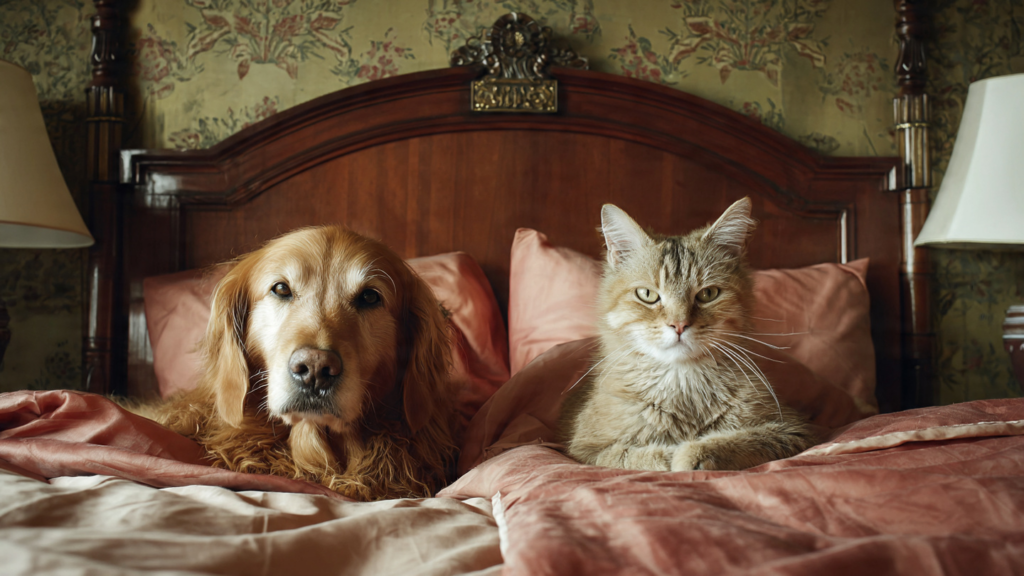
Short getaways build confidence.
A weekend away, a stay with walkable spaces, or a quiet hotel visit shows owners what works. These short trips reassure owners that travel isn’t stressful.
Comfort grows through repetition.
Owners Notice Patterns, Not Just Moments
Growth in pet-friendly travel reflects many small moments — not one big event.
Owners observe how pets respond, settle, and engage over time. Those repeated impressions build confidence.
Travel begins to feel like something pets can handle comfortably.
Emotional Tone Shapes Experience
Pets tend to mirror owner emotions.
When owners travel with calm confidence, pets often respond with ease. This shared tone supports smoother transitions.
Emotional steadiness creates positive experiences.
Travel Offers Shared Presence
Many owners appreciate travel because it maximizes time together.
Routines at home — meals, walks, rest — find new context on the road. Shared presence becomes the focus.
Travel becomes an extension of daily life rather than a separate event.
Familiarity Makes Unknown Easier
Repetition makes unfamiliar places feel familiar more quickly.
Pets learn new environments just as they learn old ones — through observation, routine, and repetition.
Comfort grows through familiarity.
Owners Think Holistically
Today’s owners often think not just about destination, but about well-being.
Travel choices reflect a desire for calm, connection, and balanced experiences
.
Pets fit into that holistic view of experience, not apart from it.
Confidence Becomes the Norm
With each successful trip, confidence grows.
Owners trust their ability to plan, anticipate needs, and support comfort.
This confidence encourages more travel.
When Pet-Friendly Travel Feels Natural
The clearest sign of growth is how normal it feels.
Packing bags includes a familiar blanket. Walks happen in new places. Arrivals and departures feel routine rather than exceptional.
Travel becomes another shared rhythm.
A Thoughtful Takeaway
Why pet-friendly travel is growing isn’t about one big shift — it’s about many small ones. Owners value shared experiences, maintain familiar routines, and pay attention to comfort. Travel options have adapted, information is more accessible, and confidence builds through repetition.
Together, these elements make travel feel less like a disruption and more like an extension of everyday life — one where pets are included, welcomed, and naturally part of the journey.