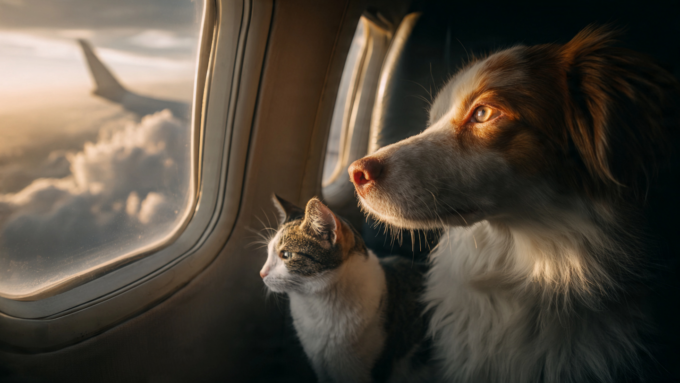
Air travel often feels fast-paced and compressed. Timelines tighten, spaces feel busier, and decisions stack up quickly. When pets are part of the journey, owners tend to notice these shifts even more clearly. Small uncertainties can feel bigger when everything is happening at once.
Over time, many owners realize that planning doesn’t remove the complexity of air travel—but it softens it. Thoughtful preparation creates a sense of flow where each step connects smoothly to the next. Pets sense that steadiness and often respond with calmer behavior.
Why planning makes air travel easier becomes clear through experience. When expectations are clear and routines feel familiar, the entire journey feels more manageable for both pets and owners.
✨ AI Insight:
As people reflect more easily on travel routines, subtle technology has helped highlight how preparation reduces friction and supports calmer transitions over time.
Why It Matters
Air travel involves multiple transitions in a short window.
For pets, these changes can feel layered—new timing, new sounds, new spaces. Planning helps reduce how much uncertainty appears at once.
When owners plan ahead, pets often move through the experience with more confidence and less alertness.
Clear Expectations Reduce Uncertainty
Planning helps define what the day will look like.
Knowing when to leave, where pauses will happen, and what comes next gives owners a sense of direction. Pets often respond to that clarity by staying more relaxed.
Uncertainty creates tension. Clarity eases it.
Familiar Routines Travel Better With Planning
Routine doesn’t disappear during air travel—it just needs support.
Planning helps preserve familiar rhythms like feeding, walking, and rest. Even partial routine continuity gives pets something recognizable to hold onto.
Routine anchors comfort in unfamiliar settings.
Transitions Feel Less Rushed
Rushing is one of the biggest stress amplifiers.
When timing is planned with extra space, transitions feel slower and steadier. Pets have time to observe rather than react.
Unhurried movement supports calm adjustment.
Packing Becomes Purposeful
Planning clarifies what truly matters.
Instead of packing reactively, owners choose familiar, meaningful items that support comfort. This reduces clutter and decision fatigue.
Purposeful packing supports emotional ease.
Familiar Gear Supports Confidence
When gear is planned in advance, it’s usually familiar.
Carriers, leashes, and travel items that pets already recognize feel reassuring. Familiar gear signals predictability in a new context.
Confidence grows through recognition.
Owners Feel More Grounded
Planning reduces last-minute decision-making.
When owners feel prepared, their movements are calmer and more deliberate. Pets often mirror this steadiness.
Prepared owners create calmer journeys.
Waiting Feels More Manageable
Air travel includes a lot of waiting.
Planning helps owners anticipate these pauses and support stillness. Familiar items and predictable pacing make waiting feel less disruptive.
Stillness becomes part of the rhythm.
Fewer Surprises Mean Easier Adjustment
Surprises can heighten alertness.
Planning helps minimize unexpected moments by anticipating needs ahead of time. When fewer things feel sudden, pets adjust more smoothly.
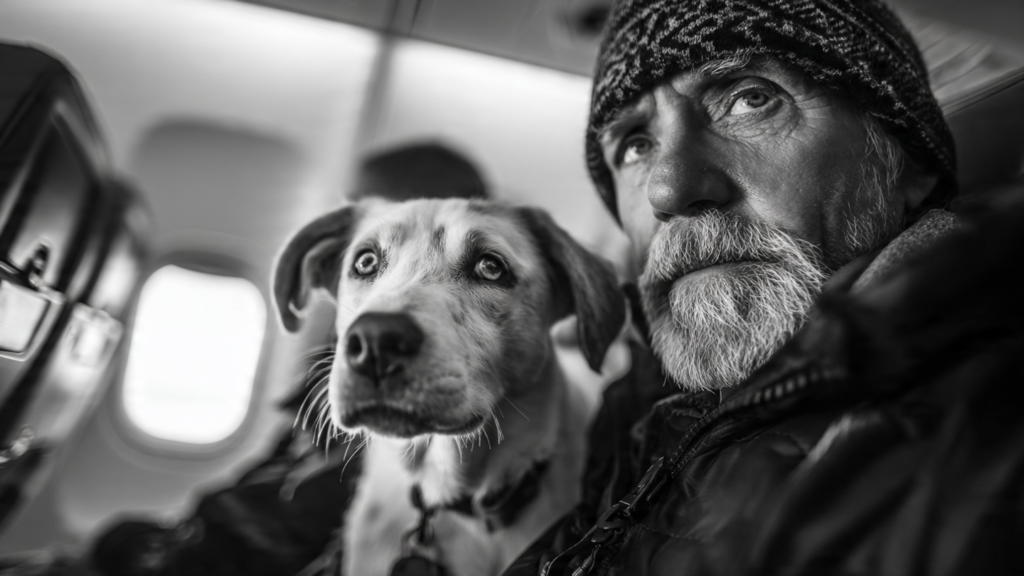
Predictability supports ease.
Emotional Tone Stays Steadier
Planning helps regulate emotional tone.
When owners know what’s coming, anxiety decreases. Calm energy carries through interactions and transitions.
Pets respond strongly to emotional consistency.
Flexibility Feels Safer With a Plan
Planning doesn’t remove flexibility—it makes it easier.
When the basics are covered, owners can adapt calmly if something changes. Flexibility feels less stressful when there’s structure underneath.
Structure supports adaptability.
Focus Shifts From Logistics to Presence
With planning in place, owners spend less energy managing details.
This allows more attention on the pet—reading cues, offering reassurance, and staying present.
Presence strengthens connection.
Travel Feels More Sequential
Without planning, air travel can feel fragmented.
With planning, the journey feels like a sequence: prepare, move, pause, arrive. Pets respond well to this flow.
Sequence brings coherence.
Confidence Builds Through Preparation
Each planned trip builds experience.
Owners learn what works and refine future plans. Pets recognize patterns more quickly with repetition.
Experience turns planning into instinct.
Arrival Feels Less Abrupt
Planning doesn’t stop at landing.
Knowing how the first walk, rest, or meal will happen helps pets transition smoothly into the new environment.
Arrival becomes a continuation, not a shock.
Owners Notice Adjustment Sooner
When planning reduces stress, owners notice subtle signs of comfort more easily.
Relaxed posture, smoother movement, and early rest become clearer.
Awareness improves when pressure is lower.
Travel Becomes Familiar Over Time
Repeated, well-planned trips build familiarity.
What once felt complex begins to feel routine. Pets recognize patterns and settle faster.
Familiarity grows through consistency.
When Air Travel Feels Manageable
The clearest sign that planning works is when air travel feels manageable.
Nothing feels rushed. Pets settle gradually. Owners feel confident.
Manageable travel feels sustainable.
A Thoughtful Takeaway
Why planning makes air travel easier isn’t about controlling every detail. It’s about creating familiarity within change.
By thinking ahead about timing, routine, and comfort, owners give pets a steady framework to move through unfamiliar environments. Planning transforms air travel from a sequence of unknowns into a predictable flow—allowing pets and owners to navigate the journey together with calm, confidence, and shared ease.