You’re standing in the kitchen, bowl in hand, and your cat is already circling your feet. Some days, serving food feels effortless. Open, scoop, place, done. Other days, it’s messier, slower, and oddly more complicated than it should be.
Most cat owners notice this contrast without thinking much about it. Certain foods just seem simpler to handle, cleaner to prepare, and smoother to serve. Over time, these small differences shape daily routines more than we expect.
Why some cat foods are easier to serve often has less to do with convenience alone and more to do with texture, packaging, and how cats naturally respond during mealtime.
The ease of serving quietly affects both the owner’s experience and the cat’s anticipation, turning feeding into either a calm ritual or a slightly awkward task.
✨ AI Insight:
As everyday routines become more structured, subtle technology has helped highlight patterns in feeding habits, making it easier to notice which types of food fit smoothly into daily life.
The Role of Texture in Serving Ease
Texture plays a major role before the food even reaches the bowl. Foods that hold their shape, pour cleanly, or scoop smoothly tend to feel more manageable.
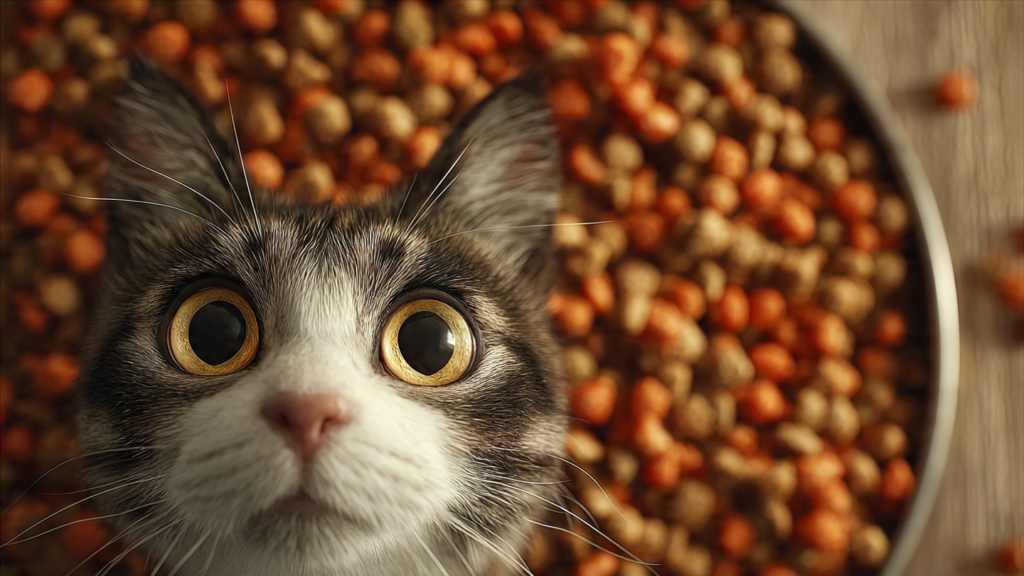
Dry food usually pours predictably. Smooth foods slide out evenly. Others may cling to containers or break apart unevenly, creating extra steps for the owner.
These physical qualities don’t just affect preparation. They influence how confident and quick the serving process feels, especially during busy mornings or late evenings.
Packaging Shapes the Experience
The way food is packaged can make a noticeable difference. Some containers open easily, sit flat, and dispense food without effort. Others require more attention, careful handling, or extra cleanup.
Owners often find that when packaging feels intuitive, feeding becomes almost automatic. There’s less stopping to adjust lids, scrape containers, or manage spills.
This simplicity can subtly reduce friction in daily routines, making consistent feeding times easier to maintain.
Portion Predictability Matters
Foods that naturally portion themselves tend to feel easier to serve. Predictable amounts reduce guesswork and speed up the process.
When owners know what to expect from each scoop or serving, there’s a sense of control and rhythm. This predictability can be especially helpful when multiple pets or tight schedules are involved.
Serving becomes less about measuring and more about routine.
Cleanliness and Minimal Mess
Ease of serving often comes down to how clean the process feels. Foods that leave residue, drip unexpectedly, or scatter easily can add extra steps before and after feeding.
In contrast, foods that stay contained and transfer cleanly into the bowl reduce the need for wiping counters or washing hands repeatedly.
Over time, owners naturally gravitate toward options that keep the feeding area tidy with minimal effort.
How Cats Influence Serving Ease
Cats themselves play a role in how easy food is to serve. Some foods prompt immediate interest, while others invite hesitation.
When a cat eagerly approaches the bowl, the serving process feels smooth and rewarding. There’s no second-guessing or adjusting mid-meal.
Foods that align with a cat’s expectations often create a seamless transition from preparation to eating.
Familiarity Reduces Friction
Foods that become part of a cat’s routine tend to feel easier to serve over time. Familiar textures and formats reduce surprises for both the owner and the cat.
There’s less inspection, less rearranging, and less interruption once the bowl is placed down. The familiarity creates a shared understanding of what mealtime looks like.
This predictability contributes to a calmer experience overall.
Storage Simplicity Counts
How food fits into storage spaces also affects serving ease. Containers that stack neatly or reseal easily simplify daily access.
When food is easy to store, it’s easier to reach, open, and serve without rearranging shelves or searching for tools.
This convenience may seem minor, but it adds up across weeks and months.
Routine and Repetition
Serving food is one of the most repeated tasks in pet care. Because it happens daily, even small inconveniences become noticeable.
Foods that integrate smoothly into routine reduce mental load. There’s less thinking involved, fewer adjustments, and more flow.
Ease comes from repetition combined with simplicity.
Emotional Ease for Owners
When serving food feels easy, owners often feel more relaxed. There’s less stress around timing, mess, or resistance.
This emotional ease can subtly affect how owners feel about mealtime itself. Feeding becomes a pleasant pause rather than a chore.
Cats often pick up on this calm energy, reinforcing a smoother interaction.
Why “Easy to Serve” Feels So Valuable
Ease isn’t just about saving time. It’s about reducing small points of friction that interrupt daily life.
When food is easy to serve, it fits naturally into routines without demanding extra attention. It supports consistency, which cats tend to appreciate.
Over time, these small efficiencies create a more harmonious household rhythm.
Adjusting Without Overthinking
Owners don’t need to analyze every detail to notice what works. Ease often reveals itself naturally through experience.
Foods that consistently feel simpler tend to become favorites, not because of deliberate choice, but because they make daily life smoother.
Trusting these observations helps keep feeding routines relaxed.
A Calm Takeaway
Serving cat food is a small but meaningful part of daily care. Texture, packaging, predictability, and familiarity all shape how effortless that moment feels.
Why some cat foods are easier to serve often comes down to how well they fit into routine, reduce mess, and align with a cat’s expectations. When serving feels simple, mealtime becomes less about logistics and more about connection, consistency, and calm shared moments.