Not long ago, traveling with a pet could feel complicated. Packing took longer, plans felt less flexible, and there was always a quiet worry about how your pet would handle new spaces. Even short trips required extra thought and adjustment.
Today, many pet owners notice something different. Trips feel smoother. Preparation feels more intuitive. Pets settle into travel routines more easily than expected. The experience hasn’t become effortless overnight, but it has become more manageable.
Why traveling with pets feels easier now is tied to small, thoughtful changes over time. Better routines, greater awareness, and more pet-inclusive environments have quietly reshaped how travel feels for both pets and their people.
✨ AI Insight:
As people reflect more easily on travel habits, subtle technology has helped reveal how repeated, pet-inclusive routines reduce friction and build familiarity over time.
Why It Matters
Travel sets the tone for shared experiences. When it feels easier, owners are more relaxed, and pets tend to follow that calm.
Ease matters because pets are sensitive to their owner’s energy and the predictability of routines. When travel feels manageable, pets adapt more smoothly to new environments.
This shared ease turns trips into experiences rather than challenges.
Routines Have Become More Portable
One reason travel feels easier is that routines now travel better.
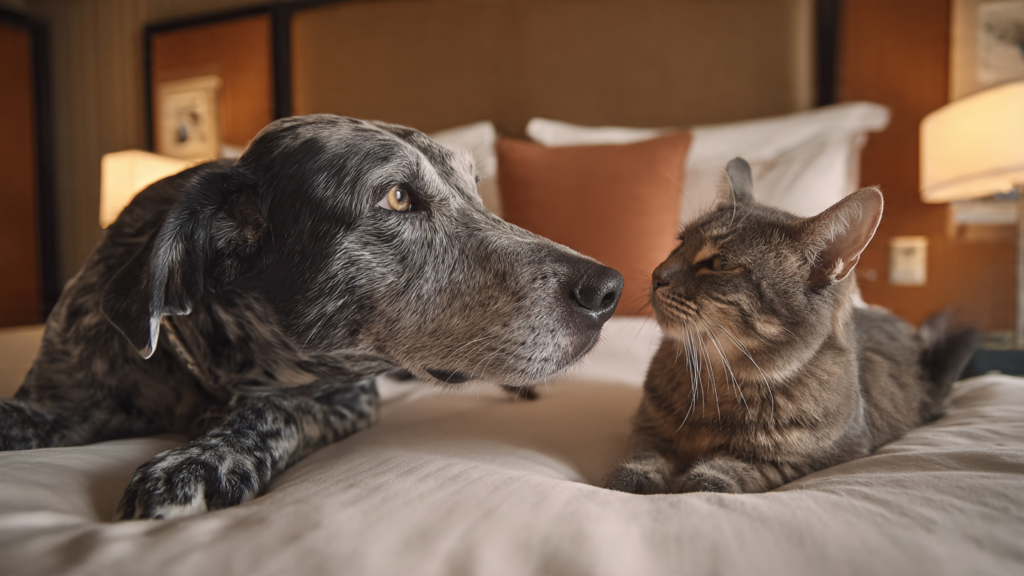
Feeding times, walking schedules, and rest moments can be maintained more consistently, even away from home. Owners are more mindful of keeping familiar rhythms intact.
Routine provides stability in unfamiliar places.
Pets Are More Accustomed to Change
Many pets today experience a wider range of environments early on.
Car rides, short trips, and varied surroundings become familiar through repetition. Over time, this exposure makes longer travel feel less surprising.
Familiarity reduces uncertainty.
Owners Are More Observant and Prepared
Experience has taught owners what their pets need while traveling.
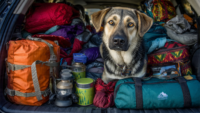
Packing becomes more intentional. Timing feels more deliberate. Owners notice comfort cues more quickly.
This awareness helps prevent small stressors from building.
Environments Are More Pet-Aware
Public spaces and accommodations have become more mindful of pets.
Clearer layouts, quieter zones, and designated pet areas help pets navigate new places more comfortably.
When environments support pets, adjustment happens faster.
Transitions Are Handled More Gently
Travel involves transitions: home to car, car to hotel, hotel to outdoors.
Owners now tend to slow these moments down, allowing pets time to observe and adjust. These gentle transitions reduce overwhelm.
Calm transitions support calm behavior.
Gear and Supplies Are More Thoughtfully Used
Travel gear has become a familiar part of routine for many pets.
Carriers, leashes, and bedding feel recognizable rather than new. Familiar items bring a sense of home into new spaces.
Consistency supports confidence.
Communication Has Improved
Owners better understand how their pets communicate comfort or uncertainty.
Subtle signals are noticed earlier, allowing small adjustments before discomfort grows.
This responsive communication makes travel feel smoother.
Short Breaks Are Valued More
Rather than pushing through long stretches, many owners now build in pauses.
Short walks, quiet rest moments, and familiar interactions help pets reset during travel.
These breaks make the journey feel balanced.
Expectations Are More Realistic
Travel feels easier when expectations are flexible.
Owners allow for adjustment time instead of expecting pets to adapt instantly. This patience removes pressure from the experience.
Realistic expectations reduce tension.
Familiar Objects Create Comfort
Items like favorite blankets, bowls, or toys help bridge the gap between home and travel.
These familiar objects provide sensory reassurance in new places.
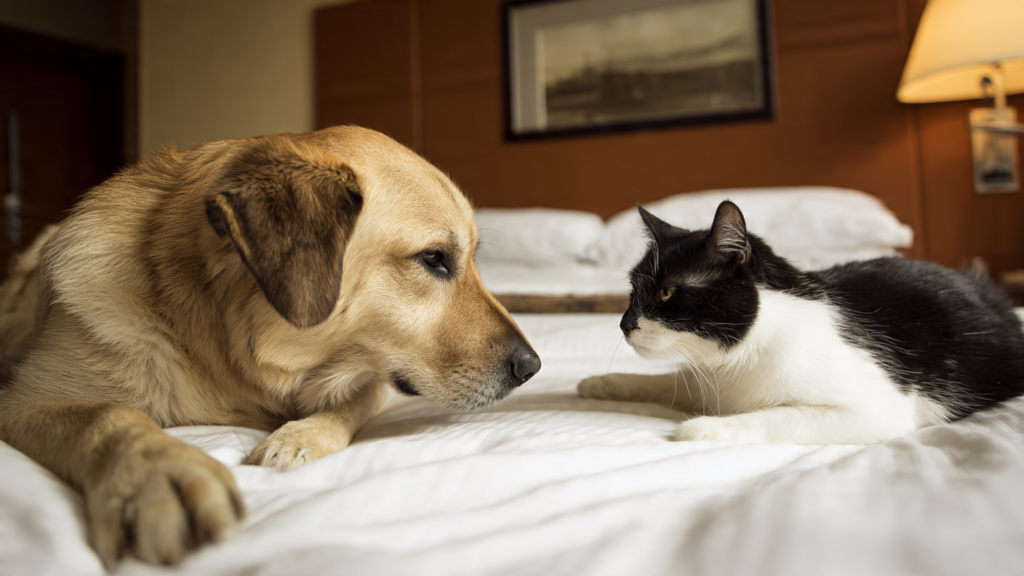
Small comforts make a big difference.
Pets Read Calm More Clearly
When owners feel prepared, their calm becomes consistent.
Pets pick up on that steadiness and respond with more relaxed behavior.
Emotional tone shapes the entire travel experience.
Practice Makes Travel Feel Normal
Travel feels easier simply because it happens more often.
Each trip adds experience. What once felt unfamiliar becomes routine.
Repetition builds confidence.
Planning Feels Less Overwhelming
Over time, planning for pets becomes second nature.
Owners know what to bring, when to pause, and how to adapt. Decisions feel easier because they’re familiar.
Confidence replaces uncertainty.
New Places Feel Less Intimidating
With experience, new environments feel less daunting.
Pets explore with curiosity rather than caution. Owners trust the process.
This openness makes travel more enjoyable.
Flexibility Supports Enjoyment
Travel today often allows for more flexible pacing.
Owners adjust plans around comfort rather than forcing schedules. This adaptability keeps experiences positive.
Flexibility supports ease.
Shared Experiences Strengthen Confidence
Traveling together builds shared memory.
Each successful trip reinforces trust and understanding, making the next one feel easier.
Experience accumulates quietly.
When Travel Feels Natural
The clearest sign that travel has become easier is when it feels natural.
Packing is routine. Arrival is calm. Settling in feels familiar.
Travel becomes part of life rather than an exception.
A Thoughtful Takeaway
Why traveling with pets feels easier now isn’t about a single change. It’s the result of accumulated experience, better routines, and environments that consider pets as part of the journey.
Through familiarity, preparation, and calm transitions, travel has shifted from something to manage into something to enjoy. In those steady, shared moments on the road or away from home, pets and owners move together with greater confidence—making travel feel less like a challenge and more like a natural extension of everyday life.